
-

-
- About
- Industries
-
Sub-Contracting
-
- Consumables
-
Cleaning
-
-
Blasting & Peening
-
- All Shot Blasting Machines
- Dry Shot Blasting Cabinets
- ActOn Mobile Shot Blasting Room
- ECO Shot Blasting Machines
- Premium DI Suction Blasting Machines
- Premium DP Pressure Blasting Cabinets
- AM Shot Peening and Blasting Series
- NF Sandblasting Cabinets
- Alloy Wheel Sand Blaster Machine
- Automated Shot Blasting Equipment
- Wet Shot Blasting Cabinets
- AWB Wet Blasting Cabinet
- Premium NP Wet Blasting Cabinets
- Automated Wet Blasting Machine
- ET 800 Wet Blasting System
- ET 100 RB Wet Shot Blasting System
- ET 6600 Turntable Wet Blasting System
- ET 6650 Overhead Conveyor Wet Blasting System
- ET 1 K Satellite Wet Blasting System
- ET 4 K Satellite Wet Shot Blasting System
- All Wheel Shot Blasting Machines
- Spinner Hanger Blast Machine
- Tumble Rubber Belt Shot Blasting Machine
- Tumble Steel Belt Shot Blasting Machine
- Wire Mesh Belt Shot Blasting Machine
- Continuous Feed Overhead Rail Blasting Machine
- Roller Conveyor Blast Machine
- Continuous Feed Tube Blast Cleaning Machine
- Rotary Table Shot Blasting Machine
- Tunnel Concrete Shot Blast Machine
-
-
Surface Finishing
-
- All Mass Finishing Machines
- Vibratory Bowl Machines
- Vibratory Trough Machines
- Dual Finishing Machines
- Dryers
- Centrifugal High Energy Machines
- Disc Finishing Machines
- ADF Drag Finishing Machine
- LE30 Rotary Barrel Machine
- Wheel Polishing Machine
- GrindPro Grinding Booth
- Automation for Mass Finishing
- Mass Finishing Accessories
-

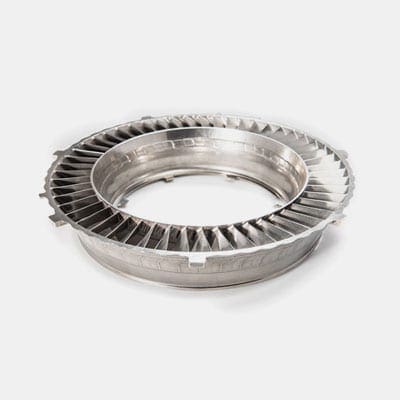
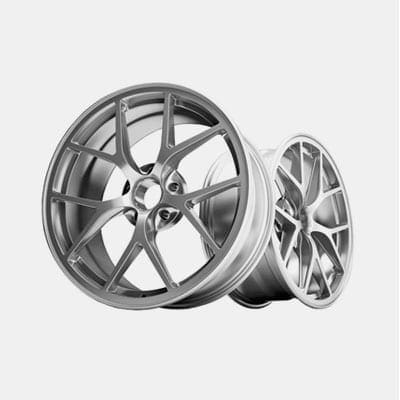


Surface Finishing Forgings and Castings
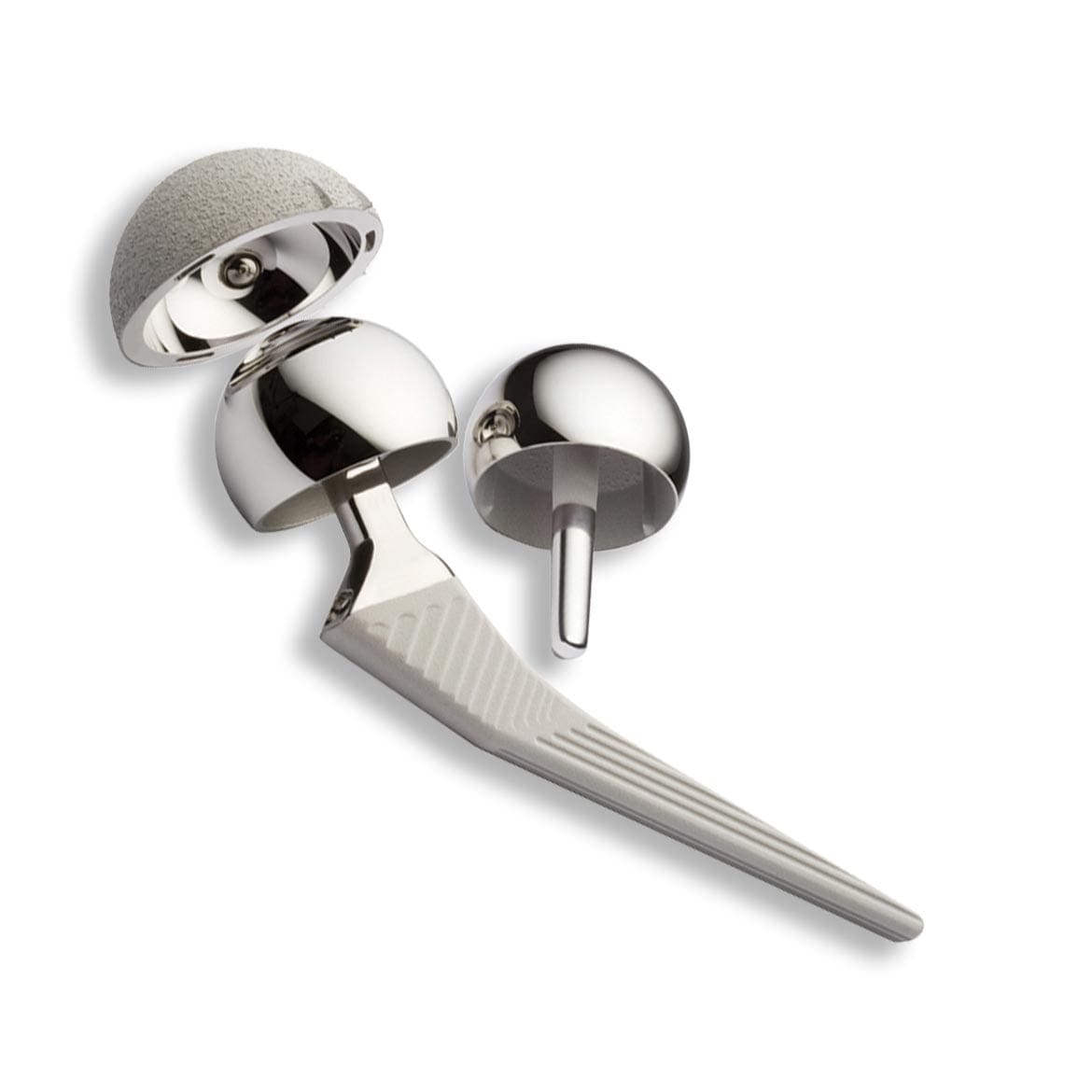
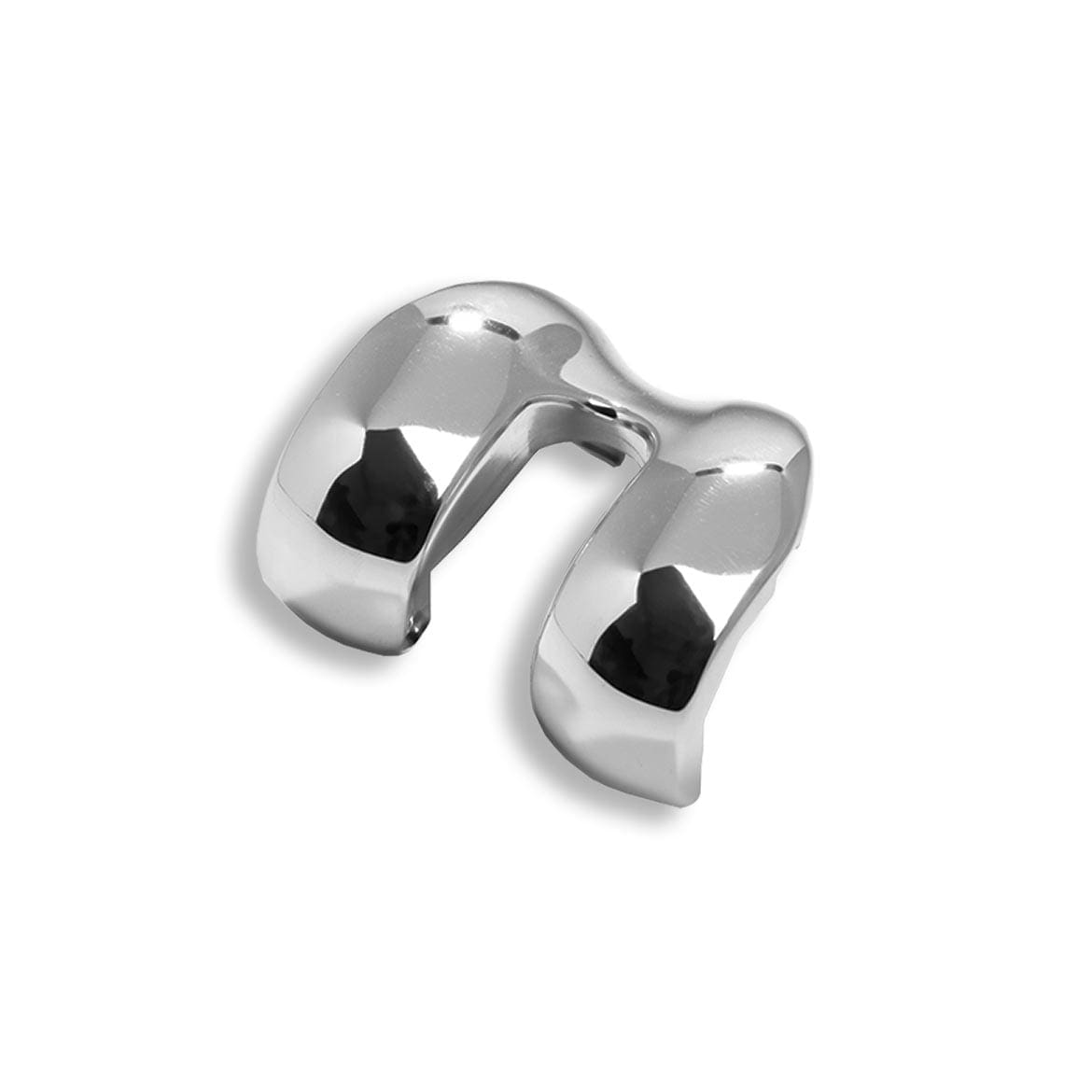
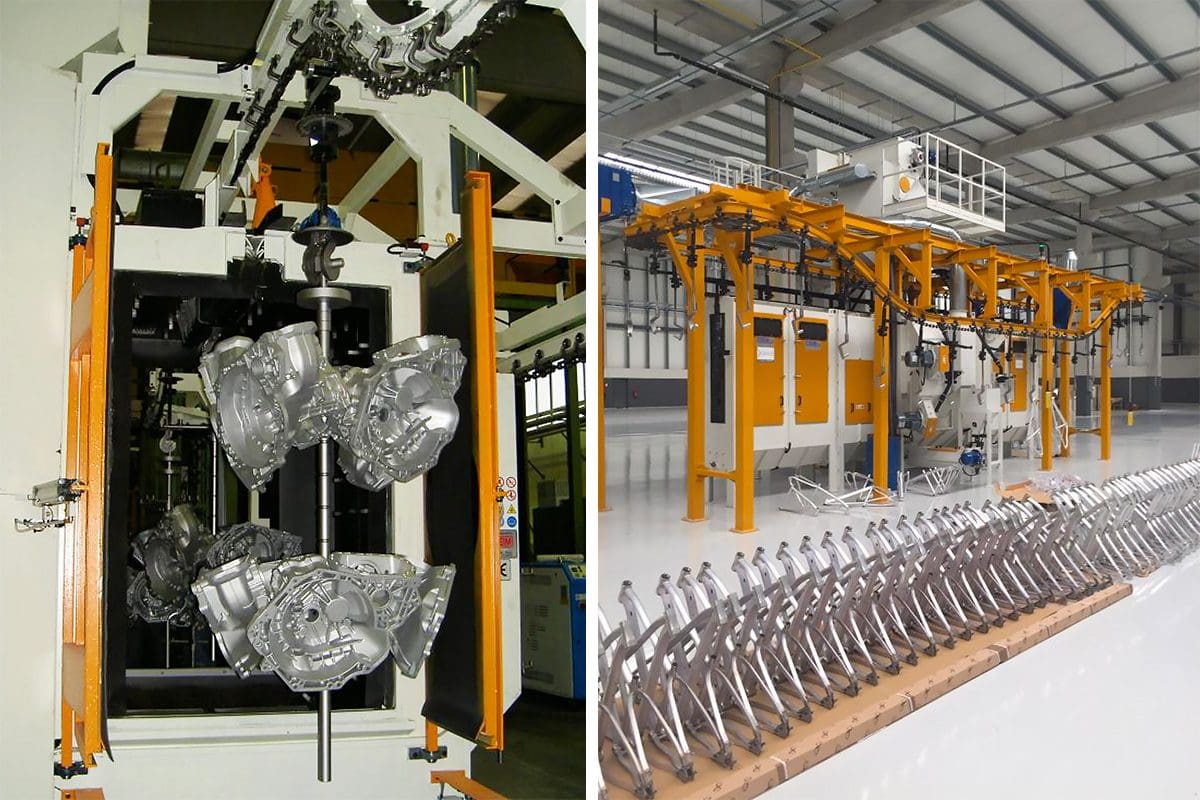
Generally, forgings and castings tend to have a rough surface finish and a dull appearance. Manual finishing is time consuming and does not deliver consistent results.
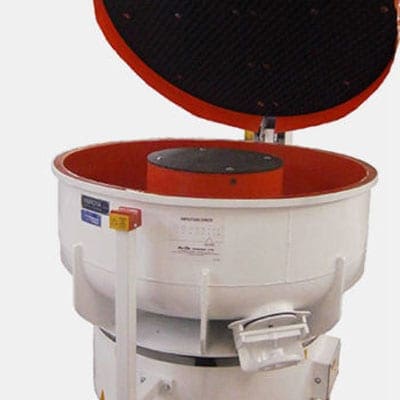
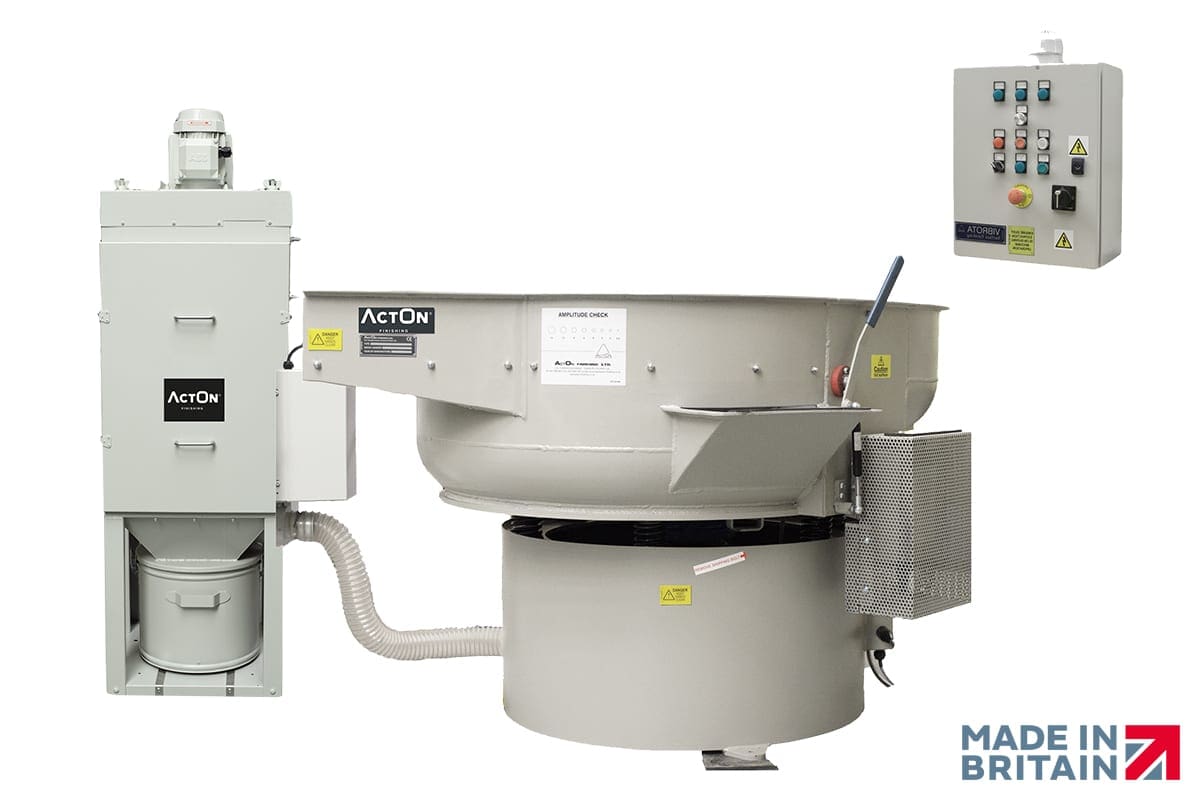
ActOn engineers recommend using vibratory finishing or high energy finishing machines to achieve a smooth surface and a polished finish. Over the years, we have developed and optimised processes on various forgings and castings with different finishing specifications, such as the removal of surface defects and flash lines or achieving a surface finish of Ra 0.03 μm.





Technology We Recommend



Case Study
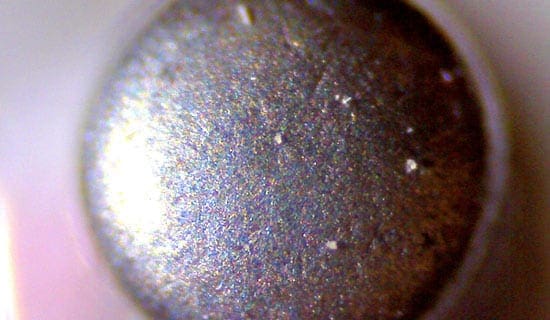
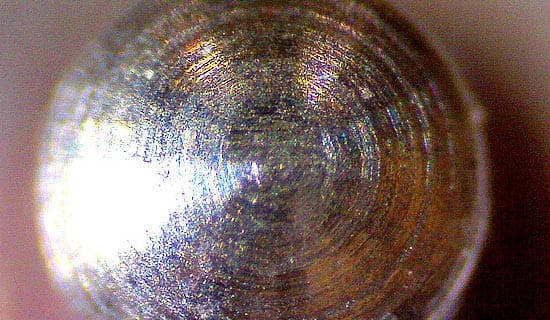
Carbide Tib
Remove machining lines and obtain a bright finish
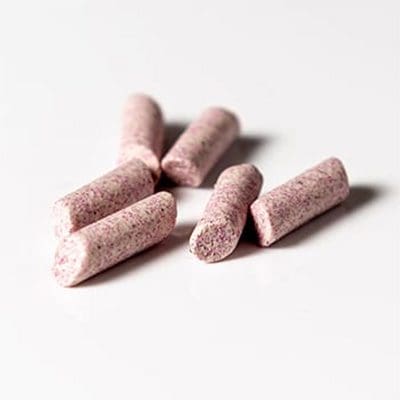
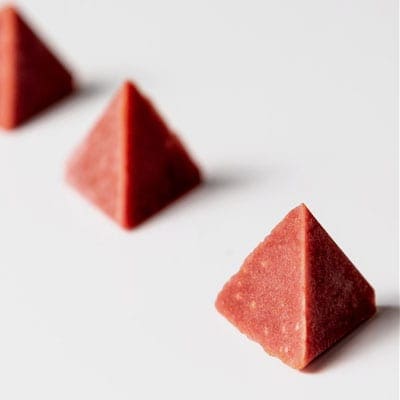
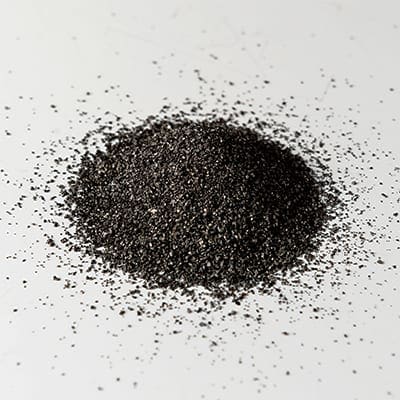
The finish has been achieved by carrying out a two-stage process in ActOn's high energy finishing machine. To remove the machining lines the part was processed in Aluminium Oxide and compound. This media was used as it has the properties which allow to deburr parts made from hard metals and sintered carbide. The final stage was carried out using
pre-treated agro media which is great for producing a bright finish.
Typical Finishing Challenges in Forgings and Castings
Surface finishing for forged and cast components is often required to address:
- Flash lines and parting lines.
- Surface scale and oxidation.
- Machining marks.
- Inconsistent surface texture.
- Requirement for polished or functional finishes.
Without a controlled finishing process, these issues can lead to:
- Poor coating adhesion.
- Reduced product quality.
- Increased manual labour costs.
- Inconsistent final appearance.
Mass finishing processes solve these challenges by delivering uniform surface refinement across all parts, regardless of complexity.
Achieving Precision Surface Finishes at Scale
Modern finishing systems are capable of achieving highly refined surface finishes, including low Ra values where required. As referenced on the page, processes can be optimised to achieve finishes as fine as Ra 0.03 μm depending on the component and specification.
This level of control is achieved through:
- Selection of the correct finishing media.
- Controlled process timing.
- Optimised compound chemistry.
- Machine type and energy input.
By combining these variables, manufacturers can achieve both functional and cosmetic finishes suitable for demanding industries such as automotive, aerospace and general engineering.
How ActOn Supports Process Development
Every forging or casting presents different finishing requirements. That is why process development is a critical part of achieving the desired result.
ActOn Finishing works closely with manufacturers to:
- Analyse component material, geometry and any post processing defects.
- Test and validate the most effective finishing processes through trial.
- Manufacture the surface finishing system based on customer's requirements.
- Install the machine at customer's facility and train the operators.
- Maintain the finishing system to avoid future major refurbishment requirements.
- Offer full technical advice during the initial stages and after installation to ensure the finishing process runs smoothly.
This ensures that the final solution is not only effective but also cost-efficient and scalable for production.
Why Manufacturers Choose Mass Finishing for Cast and Forged Parts
Mass finishing processes are widely adopted because they provide:
- Consistent results across high volumes.
- Reduced manual labour and cost of production.
- Improved surface quality.
- Faster processing times.
- Scalable production capability.
For manufacturers looking to improve efficiency and product quality, transitioning to automated finishing processes is a key step forward.
FAQs
2. Can you supply finishing machines for cast and forged components?
Yes. ActOn Finishing supplies a full range of vibratory machines, disc finishing systems, high energy finishing machines, drag finishing machines, dry electroplating technology, shot blasting cabinets and ultrasonic cleaning tanks designed specifically for processing forgings and castings.
3. Do you offer process trials for our components?
Yes. ActOn provides free process trials to test and validate the most effective finishing solution for your specific components and requirements.
4. Can you help improve surface finish quality on existing parts?
Yes. ActOn can analyse your current process and recommend improvements to achieve better surface finish, consistency and production efficiency.
5. How do I get a quote for a finishing system?
You can Contact ActOn Finishing directly to discuss your requirements and receive a tailored recommendation and quotation for your finishing process.
Request a quote for Forgings and Castings today and evaluate your surface improvement potential.
Request a Free Trial: sales@acton-finishing.co.uk
Call: +44 (0) 24 7646 6914