
-

-
- About
- Industries
-
Sub-Contracting
-
- Consumables
-
Cleaning
-
-
Blasting & Peening
-
- All Shot Blasting Machines
- Dry Shot Blasting Cabinets
- ActOn Mobile Shot Blasting Room
- ECO Shot Blasting Machines
- Premium DI Suction Blasting Machines
- Premium DP Pressure Blasting Cabinets
- AM Shot Peening and Blasting Series
- NF Sandblasting Cabinets
- Alloy Wheel Sand Blaster Machine
- Automated Shot Blasting Equipment
- Wet Shot Blasting Cabinets
- AWB Wet Blasting Cabinet
- Premium NP Wet Blasting Cabinets
- Automated Wet Blasting Machine
- ET 800 Wet Blasting System
- ET 100 RB Wet Shot Blasting System
- ET 6600 Turntable Wet Blasting System
- ET 6650 Overhead Conveyor Wet Blasting System
- ET 1 K Satellite Wet Blasting System
- ET 4 K Satellite Wet Shot Blasting System
- All Wheel Shot Blasting Machines
- Spinner Hanger Blast Machine
- Tumble Rubber Belt Shot Blasting Machine
- Tumble Steel Belt Shot Blasting Machine
- Wire Mesh Belt Shot Blasting Machine
- Continuous Feed Overhead Rail Blasting Machine
- Roller Conveyor Blast Machine
- Continuous Feed Tube Blast Cleaning Machine
- Rotary Table Shot Blasting Machine
- Tunnel Concrete Shot Blast Machine
-
-
Surface Finishing
-
- All Mass Finishing Machines
- Vibratory Bowl Machines
- Vibratory Trough Machines
- Dual Finishing Machines
- Dryers
- Centrifugal High Energy Machines
- Disc Finishing Machines
- ADF Drag Finishing Machine
- LE30 Rotary Barrel Machine
- Wheel Polishing Machine
- GrindPro Grinding Booth
- Automation for Mass Finishing
- Mass Finishing Accessories
-







3D Printed Polymers - Additive Manufacturing
Surface Finishing of 3D Printed Polymers Parts
Processing of 3D printed parts, manufactured via Selective Laser Sintering (SLS), Stereolithography (SLA) or Fused Deposition Modeling (FDM) to improve the surface appearance and smoothing can be challenging. These parts tend to have a textured surface and require improvement of surface roughness. In order to improve the appearance, surface roughness and mechanical properties of additive manufactured parts, post processing remains an important factor.
Our range of technologies are available as standalone machines or can be integrated as fully automatic systems. Our aim is to ensure our customers understand the main advantages of each technology.


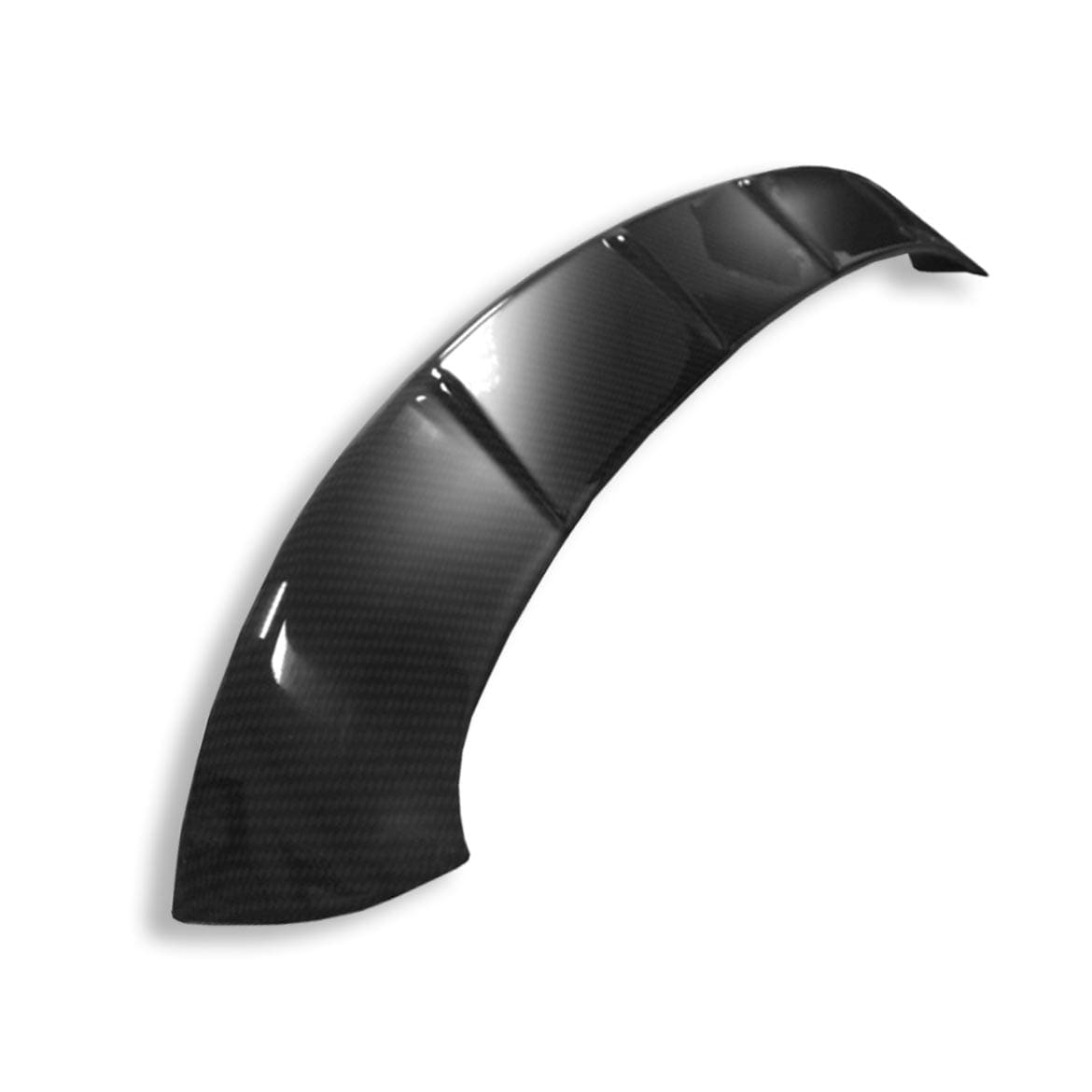


Technology We Recommend


Case Study
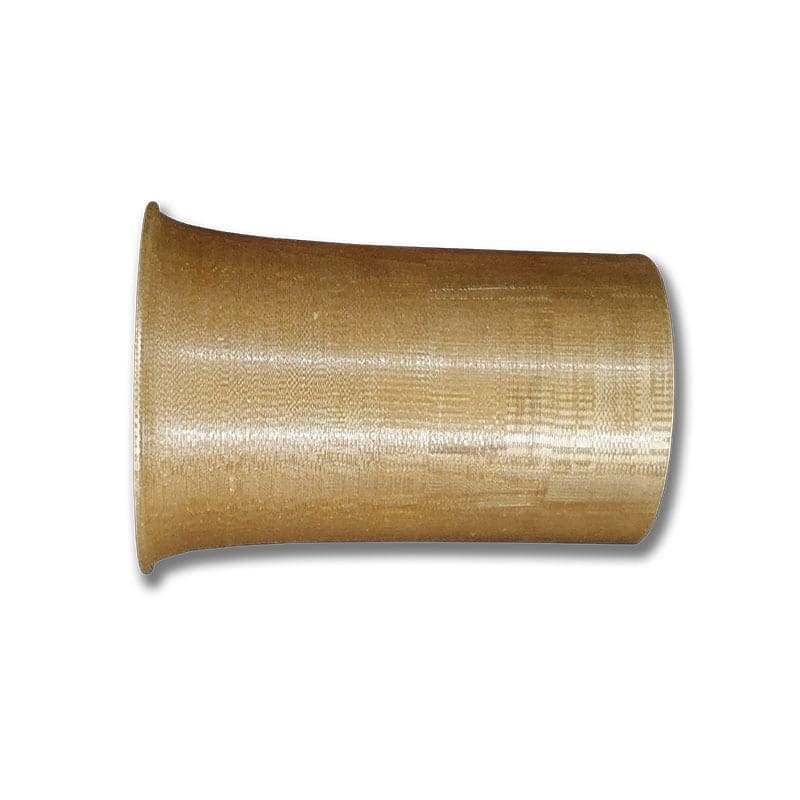
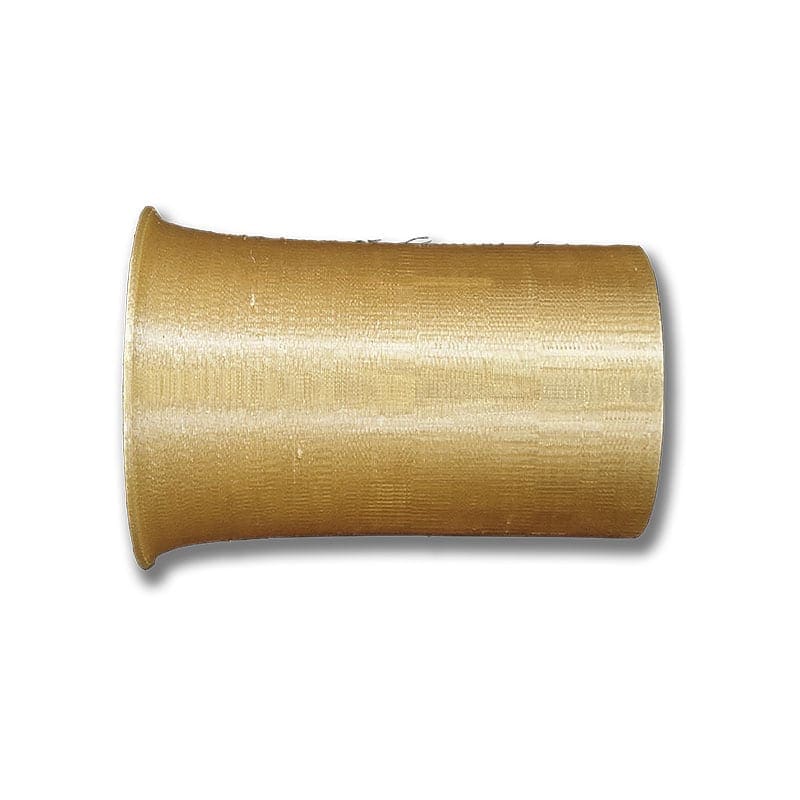
3D Printed Polymer Part
Smooth Finish
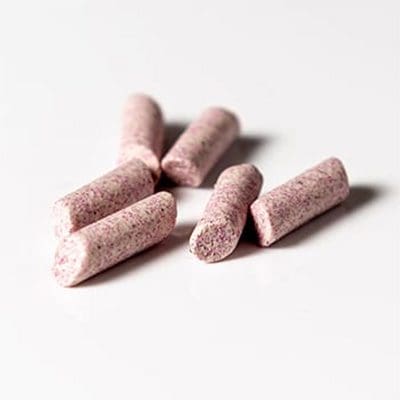
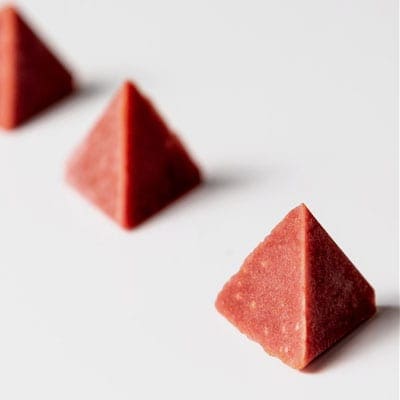
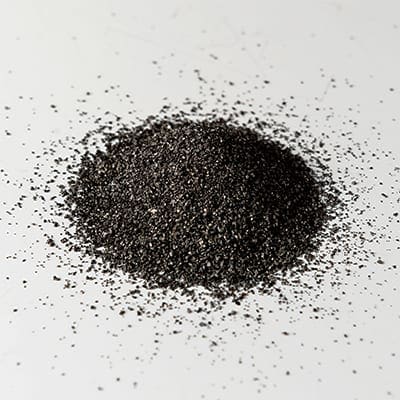
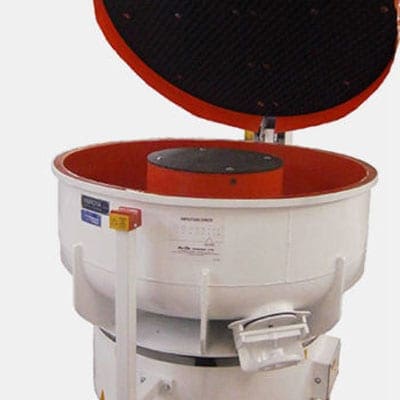
The aim of this project was to smooth the surface finish on this Polymer 3D printed component. We achieved this with a one-stage process, using the ActOn Vibratory Finishing bowl and a mix of abrasive media, a concentrated compound designed for cleaning and polishing and water. The total process time took approx. 480 min. which was less than what the customer expected. The process delivered a smooth finish while the dimensional integrity of the part was maintained.
Advanced Surface Finishing for 3D Printed Polymer Parts
ActOn Finishing provides industrial surface finishing solutions for 3D printed polymers that improve surface smoothness, consistency and mechanical performance without compromising dimensional integrity.
Our technologies are engineered to support both prototype refinement and serial production environments.
Post Processing for 3D Printed Polymer Parts
Post-processing for polymer additive manufacturing is not simply aesthetic. It influences:
- Surface roughness (Ra reduction).
- Tactile feel and appearance.
- Coating or painting adhesion.
- Seal integrity.
- Friction behaviour.
- Long-term durability.
Through vibratory finishing and controlled abrasive media selection, ActOn systems achieve repeatable smoothing across nylon, ABS, resin-based and composite polymer materials.
This controlled finishing approach ensures surface uniformity across complex geometries and intricate features.
Scalable Finishing for SLS, SLA and FDM Parts
Selective Laser Sintering (SLS), Stereolithography (SLA) and Fused Deposition Modelling (FDM) each produce distinct surface textures.
A scalable finishing strategy must account for:
- Material hardness.
- Print resolution.
- Layer thickness.
- Geometry complexity.
- Required end-use finish.
ActOn finishing systems can be configured as standalone machines or integrated automated systems, allowing manufacturers to scale from small batch refinement to full production throughput.
Surface Smoothing for Functional and Cosmetic Applications
Surface smoothing of 3D printed polymer parts is particularly important for:
- Consumer-facing components.
- Medical devices and wearables.
- Automotive interior parts.
- Aerospace lightweight assemblies.
- Functional prototypes.
While the AM Blasting series are perfect for powder removal and smooth finishing, controlled vibratory finishing reduces surface texture while maintaining part geometry and dimensional accuracy.
This enables improved coating performance and visual quality without manual sanding or inconsistent finishing techniques.
Request a quote for polymer additive manufacturing finishing today and evaluate your surface improvement potential.
Request a Free Trial: sales@acton-finishing.co.uk
Call: +44 (0) 24 7646 6914