





Once you have established that vibratory finishing is suitable for your deburring application, the next question is how to configure the process for your components.
A successful vibratory deburring process depends on more than choosing a deburring machine. The machine configuration, component material and geometry, media type, media shape and size, compound and process parameters all influence the final result.
At ActOn Finishing, our vibratory systems can process components manufactured from materials including stainless steel, aluminium, brass, titanium, plastics and more. The process is developed around the component, finish required and your production requirements rather than applying one standard deburring recipe to every part.
Which vibratory deburring machine should you choose?
ActOn’s vibratory finishing machines include different configurations because component size, shape, production volume and the required finishing process can influence which machine is most appropriate.
For vibratory deburring, three particularly important configurations are vibratory bowls, vibratory troughs and Dual finishing machines.
1. Vibratory Bowl Machines
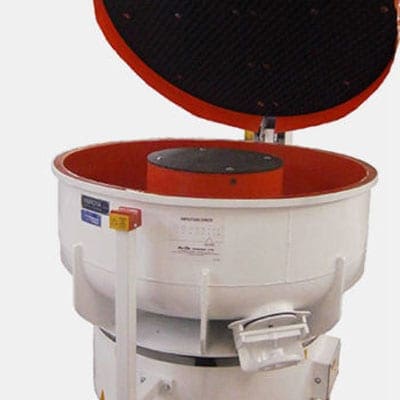
Vibratory bowl machines provide a versatile solution for batch finishing and are designed for applications including deburring, descaling, radiusing, cleaning, polishing, burnishing and surface improvement.
For deburring applications, a bowl can be an effective choice where components can move freely but in controlled motion with the selected media through the processing chamber. Bowl systems can also incorporate component separation, helping parts to be separated from the media after the finishing cycle.
A vibratory bowl may therefore be considered when you need:
- efficient batch deburring.
- repeatable processing of multiple components.
- a machine capable of carrying out several different finishing operations.
- part and media separation as part of the finishing process.
2. Vibratory Trough Machines
Where component geometry makes a bowl less suitable, a vibratory trough machine can provide a better processing environment.
ActOn’s vibratory troughs are designed for larger, longer and irregular-shaped components and can be manufactured in different length and width combinations. This makes them particularly relevant when selecting a deburring machine for parts whose dimensions or geometry need more processing space.
A vibratory trough may therefore be considered for:
- long components.
- larger components.
- irregular component geometries.
- applications requiring a processing chamber configured around the part.
This is why part dimensions and geometry should be established before specifying the machine.
3. Vibratory Dual Machines
A Vibratory Dual Machine combines wet and dry surface-finishing processes within one machine. This can be particularly useful where deburring is followed by a drying stage and there isn’t enough space for a separate vibratory deburring machine and dryer.
Rather than treating deburring and the subsequent stage as completely separate operations, the Dual provides a space-saving way of incorporating both within one system.
A Dual machine may therefore be appropriate where your process requires:
- wet vibratory deburring.
- component drying after wet finishing.
- a compact solution combining more than one finishing stage.
Vibratory Bowl vs Trough vs Dual for Deburring
| Machine | Consider it when… | Deburring/process advantage |
|---|---|---|
| Vibratory Bowl | Processing batches of components that can move freely through the chamber | Versatile deburring with the potential for part/media separation |
| Vibratory Trough | Parts are larger, longer or irregularly shaped | Processing space can better accommodate challenging component geometries |
| Vibratory Dual | Deburring needs to be followed by drying process | Combines wet and dry processing in one space-saving machine |
The machine should therefore be selected around the component rather than simply choosing a bowl, trough or Dual based on capacity alone. Part material, dimensions, geometry, weight, production volume and the required result should all form part of the decision.
Choosing Deburring Media Based on Part Material
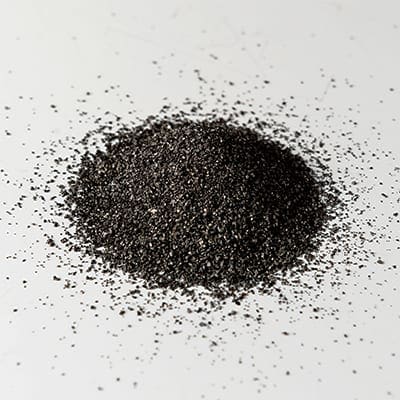
The deburring machine creates the movement required for the process, but the media performs much of the mechanical work on the component. Selecting the correct media is therefore critical.
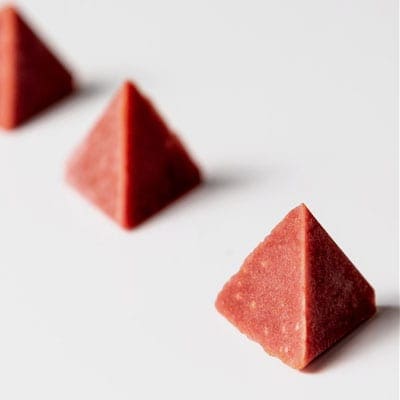
ActOn offers media in different materials, abrasive grades, shapes and sizes. Selection should take into account not only the component material but also its geometry, the burr condition and the required surface finish.
1. Ceramic Media for Deburring
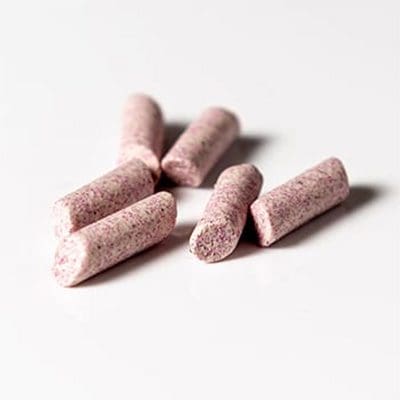
ActOn’s ceramic media is available in a range of abrasive grades, from low-abrasive through to super-finishing grades, and can be used for deburring, radiusing and polishing processes.
Ceramic Media is recommended for removing burrs, edge radiusing, burnishing and to quickly remove polishing lines on components made from harder materials. Faster cut Medias are designed to be softer, thus allowing the cutting elements to be exposed. Polishing Medias are harder (which contain no abrasives) and are used for burnishing.
In general, the slower the cut, the harder the media.
This makes ceramic media an important option when developing deburring processes for metal components where controlled material removal is required.
2. Plastic Media for Deburring
Plastic media is available in different grades, shapes and sizes and is designed for smoothing and the removal of burrs without rolling the burr onto the part. Use this media to achieve a very smooth surface finish, or a bright or matte finish on components made from softer materials. ActOn also identifies reduced risk of component damage and consistent bright or matte finishes among its characteristics.
How Does Part Material Affect Media Selection?
Material is an important starting point, but it should not be used in isolation. Two components manufactured from the same alloy can require different media because their geometry, burr condition and surface-finish requirements are different.
| Part materia | Deburring considerations | Media approach |
|---|---|---|
| Stainless steel | Burr size, required edge condition, geometry and final surface requirement | Depending on burr you can use a fine-cut, medium-cut, or a very abrasive ceramic media |
| Aluminium | Required burr removal balanced against the desired surface condition | This is plastic media in general or a low grade of ceramic media: depends on burr |
| Titanium | Component value, geometry, required edge condition and surface requirements | A medium to fast-cut ceramic media depending on burr |
| Brass | Burr condition and required appearance after processing | A medium to fast-cut plastic media or a fine-cut ceramic media depending on burr |
| Plastics | Material behaviour, component geometry and burr type | In general plastic components can be finished in fine-cut plastic abrasive or medium-cut plastic media |
The important point is that there is no universal “best deburring media” for a particular material. Media type, abrasive grade, shape and size need to work together with the machine settings and compound chemistry. We recommend finishing trials to always ensure the correct media is selected.
Why Media Shape and Size Matter in Deburring
Material type is only one part of media selection. Media also needs to interact correctly with the geometry of the component.
The shape and size selected should allow the media to work on the areas that require deburring while taking account of features such as holes, slots, recesses and other component geometry. This is another reason why media selection should be based on the actual part rather than material type alone.
ActOn’s process-development approach considers component dimensions and shape alongside material, surface roughness, weight, volumes and the finishing objective before establishing the process.
Choosing the Right Compound for Vibratory Deburring
Media should not be considered separately from the finishing compound. ActOn’s compounds are specially formulated for vibratory and high-energy finishing systems and can include abrasives, brighteners, lubricating agents, cushioning materials and cleaning agents.
Depending on the process, the compound can perform several functions alongside the mechanical deburring action, including:
- suspending dirt, oils and media residue so they can be flushed from the system.
- keeping components and media clean to improve process stability.
- providing corrosion inhibition where required.
- supporting brightening of different materials.
- helping remove scale following heat treatment.
- acting as a lubricant, which can extend media life.
- controlling solution pH.
- helping cushion and separate parts during processing to reduce the risk of component damage.
Does the Compound Change According to the Part Material?
Yes. Compound selection should form part of the complete process specification rather than being treated as a generic additive. The component material, contamination, corrosion requirements, desired surface condition and selected media all influence which compound formulation is appropriate.
For example, a process may require greater emphasis on cleaning and flushing residues, corrosion inhibition, brightening or lubrication. The correct combination is therefore established around the component and required result.
Machine + Media + Compound: The Complete Deburring Process
For consistent vibratory deburring, three decisions need to work together:
1. Choose the machine around the component.
Use the component’s dimensions, geometry, batch requirement and downstream process to determine whether a vibratory bowl, trough or Dual is the most appropriate configuration.
2. Choose the media around the material, burr and geometry.
Media material, abrasive grade, shape and size influence how effectively the burr is removed and how the media interacts with the component.
3. Choose the compound around the process requirement.
The compound supports cleaning and process stability and can provide functions including corrosion inhibition, brightening, lubrication and scale removal.
These elements are then combined with parameters such as media-to-part ratio, vibration amplitude, speed and cycle time to create the final deburring process.
FAQs
1. Which vibratory machine is best for deburring?
It depends on the component. Vibratory bowls are versatile for batch processing, troughs are particularly suited to larger, longer and irregular-shaped parts, while Dual machines combine wet and dry processing within one system. Component geometry, material, production volume and the required finish should determine the machine selection.
2. What media should I use for vibratory deburring?
The correct media depends on the part material, burr, geometry and required finish. Ceramic media is available in different abrasive grades for applications including deburring and radiusing, while plastic media is particularly suited to smoothing and removing light burrs. The media grade, shape and size should be validated for the individual component.
3. What deburring media should I use for aluminium?
Plastic media is generally recommended for deburring aluminium. Where the burr needs a stronger cutting action, a low-grade ceramic media can be used instead. The alloy, component geometry and required finish all affect the exact grade, shape and size, so ActOn Finishing always recommends a finishing trial on the actual component to confirm the correct media.
4. What deburring media should I use for stainless steel?
Ceramic media is typically used for deburring stainless steel. Depending on the size and condition of the burr, this can be a fine-cut, medium-cut or very abrasive ceramic grade. The media shape, size and compound are then selected to suit the component, and ActOn Finishing always recommends a finishing trial to confirm the correct media before the process is specified.
5. Do I need a compound when vibratory deburring?
Compound plays an important role in many wet vibratory deburring processes. Depending on the formulation, it can help keep parts and media clean, suspend and flush residues, inhibit corrosion, provide lubrication, control pH and support other surface-finishing requirements.
Why a Finishing Trial Matters
Even when two components are manufactured from the same material, differences in geometry, burr size, manufacturing method and required finish can change the optimum deburring process.
For this reason, ActOn recommends carrying out a finishing trial using the customer’s actual components. The trial allows the machine, media, compound and operating parameters to be tested and refined before establishing a repeatable production process.
If you are looking for a deburring machine but are unsure whether a bowl, trough or Dual is right for your components, ActOn can develop and test the complete finishing process before you invest.
Request a free finishing trial
Speak to the ActOn team about your components and required finish.
Call: +44 (0) 24 7646 6914
Email: sales@acton-finishing.co.uk