




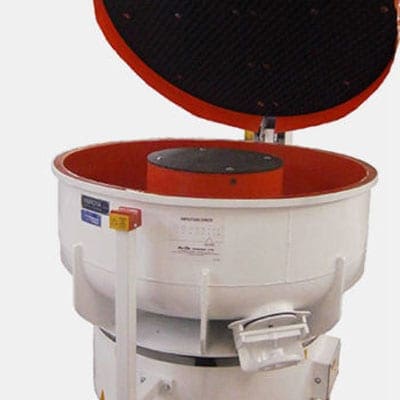


Vapour vs Dry Blasting
Choosing between vapour blasting and dry blasting is one of the most important decisions when restoring engine components. Both processes are highly effective, but they produce very different results depending on the material, finish requirement, and level of contamination.
At ActOn Finishing, we supply both wet blasting systems and dry blasting cabinets, helping customers select the correct process for:
- Engine casings.
- Aluminium parts.
- Motorcycle components.
- Automotive restoration.
- Surface preparation.
- Heavy contamination removal.
This guide explains the differences between vapour and dry blasting so manufacturers, restorers, and engineering workshops can choose the most suitable system for their application.
What Is Vapour Blasting?
Vapour blasting, sometimes called wet blasting, combines:
- Water.
- Abrasive media.
- Compressed air.
The water cushions the abrasive impact while lubricating the blasting process. This creates a much smoother and finer surface finish compared with conventional dry blasting.
Vapour blasting is widely used for:
- Aluminium restoration.
- Motorcycle engine casings.
- Automotive components.
- Cosmetic refinishing.
- Delicate engineering parts.
The process cleans surfaces while producing a satin or near-original appearance without excessive material removal.
What Is Dry Blasting?
Dry blasting uses compressed air to propel abrasive media directly onto the component surface without water.
This produces a more aggressive cleaning action designed for:
- Rust removal.
- Paint stripping.
- Heavy oxidation.
- Scale removal.
- Surface preparation before coating.
Dry blasting is commonly used where surface profile and preparation are more important than cosmetic finish quality.
Vapour Blasting Explained
1. Smoother Cosmetic Finishes
One of the biggest advantages of vapour blasting is the quality of the finished surface.
Because the water cushions abrasive impact:
- Surface damage is reduced.
- Aluminium appears cleaner and brighter.
- Components maintain a more natural finish.
- Media embedding risk is reduced.
This makes vapour blasting extremely popular in:
- Engine restoration.
- Motorcycle refurbishment.
- Precision engineering applications.
2. Excellent for Aluminium Components
Aluminium engine casings and softer metals respond particularly well to vapour blasting.
The process removes:
- Dirt.
- Grease.
- Light oxidation.
- Carbon contamination.
Without creating the harsh surface texture often associated with aggressive dry blasting.
Dry Blasting Benefits
1. More Aggressive Surface Preparation
Dry blasting is better suited for:
- Heavy corrosion.
- Thick coatings.
- Paint removal.
- Deep contamination.
- Surface keying before coating.
The dry process generates stronger abrasive impact, making it ideal where rapid cleaning or surface profiling is required.
2. Faster Material Removal
Dry blasting generally achieves:
- Faster stripping rates.
- Higher cutting action.
- More aggressive cleaning performance.
This makes it suitable for industrial cleaning and preparation tasks where appearance is less critical than preparation efficiency.
Surface Finish Comparison
| Feature | Vapour Blasting | Dry Blasting |
|---|---|---|
| Finish Quality | Smooth and satin | More textured |
| Aggression Level | Lower | Higher |
| Aluminium Cleaning | Excellent | Good but more aggressive |
| Paint Removal | Moderate | Excellent |
| Rust Remova | Good | Excellent |
| Surface Preparation | Moderate | Excellent |
| Cosmetic Restoration | Excellent | Limited |
| Dust Generation | Lower | Higher |
Choosing the Right System
The correct blasting system depends on:
- Component material.
- Surface condition.
- Desired finish.
- Production requirements.
- Cleaning intensity.
Many manufacturers and restoration workshops use both systems depending on the application.
Aluminium Restoration and Engine Casings
Restoring aluminium engine casings requires careful process selection.
Vapour blasting is often preferred because it:
- Produces a cleaner cosmetic finish.
- Preserves surface appearance.
- Reduces aggressive surface erosion.
- Improves final presentation.
Dry blasting can still be effective but typically creates a rougher surface profile better suited to coating preparation than cosmetic restoration.
Choosing the Correct Blasting Media
Blasting media selection is equally important.
Common media options include:
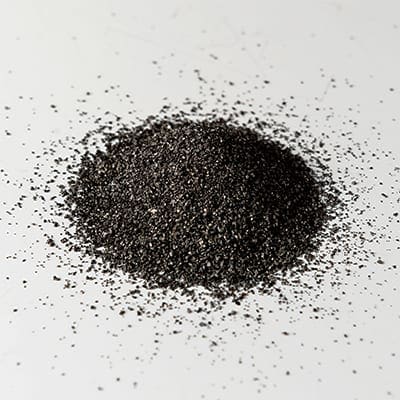
- Glass bead.
- Aluminium oxide.
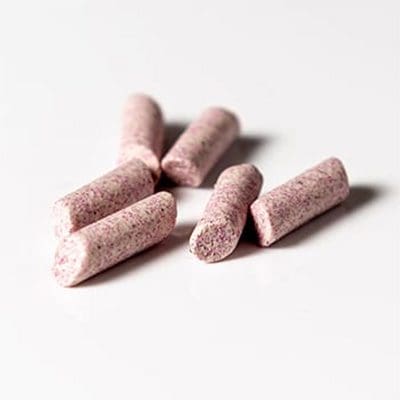
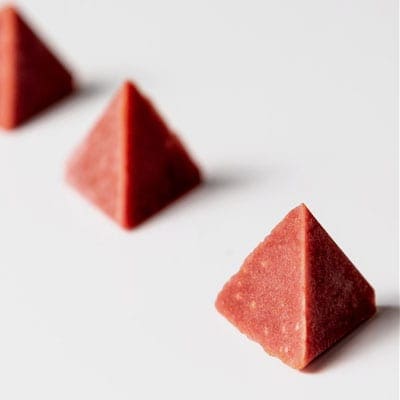
- Ceramic media.
- Plastic media.
- Fine abrasive blends.
The correct media depends on:
- Material hardness.
- Required finish.
- Surface contamination.
- Process type.
ActOn helps customers select both the correct machine and media combination for the application.
Why Choose ActOn Finishing?
ActOn supplies:
- Vapour blasting cabinets.
- Wet blasting systems.
- Dry blasting cabinets.
- Automated shot blasting systems.
- Process support and trials.
- Media selection guidance.
- UK technical support.
Our engineers help manufacturers and restoration specialists choose the most effective blasting solution based on finish requirements, throughput, and component type.
FAQs
1. What is vapour blasting?
Vapour blasting is a wet blasting process that combines water, abrasive media, and compressed air to produce smoother and cleaner surface finishes.
2. Is vapour blasting better than dry blasting?
Neither process is universally better. Vapour blasting is typically preferred for cosmetic restoration and aluminium cleaning, while dry blasting is more aggressive for rust removal and surface preparation.
3. Which process is best for aluminium?
Vapour blasting is commonly preferred for aluminium engine components because it produces a smoother and more natural cosmetic finish.
4. Can blasting damage engine parts?
Incorrect media selection or excessive blasting pressure can damage components. Proper machine settings and media choice are essential.
5. What blasting media should I use?
Media selection depends on the component material, contamination level, and required finish. Common options include glass bead, aluminium oxide, and ceramic media.
Book a Free Blasting Demonstration
Not sure whether vapour or dry blasting is right for your application?
Book a free blasting demonstration with ActOn Finishing and see the difference between wet and dry blasting systems on your own components.
Call: +44 (0) 24 7646 6914
Email: sales@acton-finishing.co.uk