








Choosing the Right Steel Grit for Surface Profiles and Coating Preparation
In industrial surface treatment, achieving the correct surface profile is critical for coating adhesion, corrosion resistance, and long-term component performance. One of the most effective solutions for preparing hard metal surfaces is steel grit blasting media. Known for its aggressive cutting action and durability, steel grit plays a major role in modern blasting operations across fabrication, foundry, shipbuilding, oil & gas, and heavy manufacturing industries.
Choosing the right steel grit grade and understanding how it affects the final blast profile can significantly improve coating performance, reduce rework, and optimise blasting efficiency. Whether you are looking for reliable coating preparation media or searching for a trusted shot blasting media supplier, understanding steel grit fundamentals is essential.
What Is Steel Grit Blasting Media?
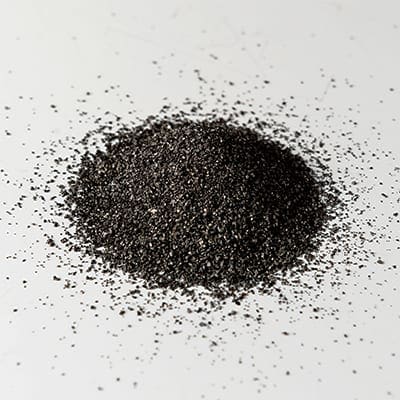
Steel grit blasting media is a metallic abrasive manufactured by crushing specially heat-treated steel shot into angular particles. Unlike spherical abrasives, steel grit has sharp edges that aggressively cut into surfaces, making it highly effective for removing contaminants and creating an etched finish suitable for coatings.
Because of its hardness and recyclability, steel grit is widely used in air blasting and wheel blasting systems where high productivity and consistent results are required.
Steel grit is especially suitable for processing ferrous metals, including:
- Carbon steel.
- Hardened steel.
- Iron.
- Stainless steel.
It is not generally recommended for softer non-ferrous materials such as aluminum or brass because its aggressive nature may damage delicate substrates.
Why Surface Profile Matters in Coating Preparation
Before any protective coating is applied, the metal surface must be properly cleaned and textured. This texture, commonly referred to as the blast profile, determines how well primers, paints, and industrial coatings bond to the substrate.
A surface that is too smooth may cause coating failure due to poor adhesion. Conversely, an excessively rough profile can create uneven coating thickness, increased paint consumption, and premature corrosion.
Using the correct abrasive blasting media is therefore essential for achieving the ideal anchor pattern required by coating specifications.
Steel grit is particularly effective because its angular shape produces a deep, well-defined profile that enhances mechanical adhesion.
How Steel Grit Creates an Effective Blast Profile
The aggressive cutting action of steel grit removes:
- Rust.
- Mill scale.
- Old coatings.
- Heat treatment scale.
- Surface contaminants.
At the same time, it roughens the substrate surface to create microscopic peaks and valleys. This etched finish allows coatings to mechanically lock onto the metal surface.
The resulting blast profile depends on several factors:
1. Grit Size
Larger grit particles produce deeper profiles and more aggressive cleaning action. Smaller grit sizes create finer finishes suitable for thinner coatings.
2. Hardness
Harder steel grit cuts faster and maintains angularity longer. Softer grit may round off more quickly during recycling.
3. Blasting Pressure
Higher blasting pressure increases cleaning speed and profile depth, but excessive pressure may damage the substrate.
4. Surface Condition
Heavily rusted or scaled surfaces often require coarser grit for effective cleaning.
5. Coating Requirements
Different coating systems specify different surface profile ranges. Epoxy systems, thermal spray coatings, and zinc-rich primers all have unique profile requirements.
Selecting the correct steel grit grade ensures compliance with coating specifications while maximizing operational efficiency.
Common Applications of Steel Grit
Steel grit is one of the most versatile industrial shot blasting consumables available today. Its durability and aggressive action make it ideal for demanding industrial environments.

- Cleaning: effectively removes dirt, oxidation, and contaminants from metal surfaces before fabrication or coating.
- Descaling: in steel mills and foundries, it removes mill scale and heat treatment scale from components and structural steel.
- Derusting: one of the most common applications of steel grit blasting media, especially in maintenance and refurbishment projects.
- Stripping: old paint, coatings, and protective layers can be rapidly stripped from steel substrates.
- Satin Finishing: certain grit sizes can produce attractive satin finishes on stainless steel components.
- Etching: steel grit creates etched surfaces that improve bonding for paints, thermal spray coatings, adhesives, and rubber linings.
Advantages of Steel Grit Over Other Abrasive Blasting Media
There are many types of abrasive blasting media available, including garnet, aluminum oxide, glass beads, and copper slag. However, steel grit offers several unique advantages for ferrous metal processing.
- High Durability: can be recycled many times in closed blasting systems, reducing operational costs.
- Fast Cleaning Rates: its aggressive angular structure cuts quickly through tough contamination and scale.
- Consistent Surface Profiles: maintains predictable blasting performance over multiple cycles.
- Reduced Dust Generation: compared to expendable mineral abrasives, steel grit generates less dust in recycling systems.
- Cost Efficiency: although the initial investment may be higher, its long service life lowers total blasting costs.
- Improved Coating Adhesion: the etched surface created by steel grit enhances coating performance and longevity.
These advantages make steel grit one of the most efficient options for industrial coating preparation.
Best Practices for Steel Grit Blasting
To maximize blasting efficiency and coating quality, operators should follow several best practices.
- Maintain Proper Media Separation: contaminated or mixed media can reduce blasting consistency and damage surfaces.
- Monitor Blast Pressure: incorrect pressure settings may create uneven profiles or excessive media wear.
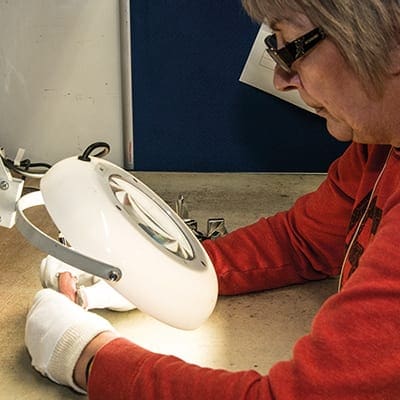
- Inspect Surface Profiles: regular profile measurements ensure compliance with coating specifications.
- Recycle Media Correctly: proper recovery and separation systems extend steel grit lifespan and reduce waste.
- Match Grit to Coating System: different coatings require different profile depths. Always follow manufacturer recommendations.
Choosing the Right Shot Blasting Media Supplier
Selecting the right blasting media is only part of the equation. Partnering with a knowledgeable shot blasting media supplier is equally important.
A reliable supplier should provide:
- Consistent grit quality.
- Accurate sizing.
- Technical support.
- Application guidance.
- Compliance with industry standards.
- Reliable delivery schedules.
Poor-quality blasting media may contain contamination, inconsistent particle sizing, or excessive breakdown rates, all of which negatively impact blasting performance.
An experienced supplier, like ActOn finishing, can also help optimise media consumption, machine settings, and blasting parameters to improve productivity.
FAQs
1. What is steel grit blasting media used for?
Steel grit blasting media is primarily used for cleaning, descaling, derusting, stripping coatings, satin finishing, and etching ferrous metal surfaces. Its aggressive angular shape makes it highly effective for creating the correct blast profile needed for industrial coating adhesion and surface preparation.
2. Which metals can be processed with steel grit?
Steel grit is recommended for ferrous metals only, including carbon steel, hardened steel, iron, and stainless steel. It is generally not suitable for softer non-ferrous metals such as aluminum, copper, or brass because the abrasive cutting action may damage the surface.
3. How does steel grit affect coating adhesion?
Steel grit creates an etched surface finish with microscopic peaks and valleys known as a blast profile. This profile improves mechanical bonding between the substrate and protective coatings, helping coatings last longer and resist premature failure.
4. How do I choose the correct steel grit size?
The ideal steel grit size depends on the required surface profile, substrate condition, and coating specification. Coarser grit produces deeper profiles and faster cleaning, while finer grit creates smoother finishes for thinner coating systems. A knowledgeable shot blasting media supplier can help determine the best grit grade for your application.
5. Is steel grit reusable?
Yes. One of the main advantages of steel grit blasting media is its high durability and recyclability. In closed blasting systems, steel grit can be reused multiple times, making it a cost-effective and efficient abrasive blasting media solution for industrial operations.
Contact with ActOn Finishing
Call: +44 (0) 24 7646 6914
Email: sales@acton-finishing.co.uk