







Shot blasting is one of the most effective methods for surface preparation. When correctly specified and controlled, it delivers consistent cleanliness, controlled surface profiles, and reliable coating adhesion.
However, even modern shot blast systems can produce inconsistent results if setup, media selection, or maintenance practices are not correctly managed.
At ActOn Finishing, we frequently help manufacturers resolve performance issues caused not by equipment failure, but by preventable setup and operational mistakes.
Below are the five most common blasting mistakes we encounter – and how to avoid them.
1. Using the Wrong Abrasive Media
Abrasive selection directly affects:
- Surface finish.
- Removal rate.
- Media lifespan.
- Equipment wear.
Using overly aggressive media can damage components manufactured out of soft materials, while media that is too fine may fail to achieve the required surface profile.
Common issues include:
- Incorrect grit size.
- Mixing incompatible media.
- Using contaminated or degraded abrasive.
- Failing to match media type to component material or finishing requirements.
To avoid this, media should always be selected based on:
- Material type.
- Required surface roughness.
- Post processing requirements.
- Component geometry.
Correct abrasive specification improves finish consistency and reduces waste.
2. Overblasting the Component
Overblasting is one of the most common errors in shot blasting operations.
This occurs when:
- Parts are exposed to blasting for too long.
- Pressure is set too high.
- Incorrect media is used.
- Nozzle dwell time is excessive.
Overblasting can result in:
- Surface distortion.
- Excessive material removal.
- Dimensional changes.
- Reduced fatigue strength.
Yes, overblasting can damage parts – particularly aluminium, thin-walled sections, and precision components.
The solution lies in controlled cycle times, proper pressure calibration, and validated process parameters.
3. Incorrect Pressure Settings
Blast pressure directly influences impact energy and removal rate.
If pressure is too low:
- Surface contaminants may not be fully removed.
- Surface profile may be inconsistent.
If pressure is too high:
- Media breaks down faster.
- Equipment wear increases.
- Surface damage becomes more likely.
There is no universal ideal PSI for shot blast systems.
The correct pressure depends on:
- Media type.
- Nozzle size.
- Material being blasted.
- Required surface finish.
Pressure settings should always be optimised for the specific application rather than guessed. We always recommend carrying out a few trials on spare parts to determine all the finishing process parameters, before blasting actual production components.
4. Neglecting Maintenance and Inspection
Even the best shot blasting machines require routine inspection and maintenance.
Common maintenance oversights include:
- Worn nozzles reducing blast efficiency.
- Poor cabinet sealing causing dust leakage.
- Blocked or inefficient dust extraction.
- Inconsistent media grading.
- Damaged liners or seals.
A worn nozzle, for example, can reduce blasting efficiency significantly without being immediately obvious.
Regular inspection schedules improve consistency, extend equipment lifespan, and reduce operating costs.
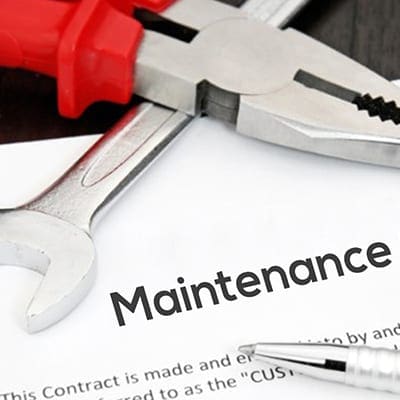
At ActOn we offer maintenance contracts to ensure your blasting cabinets is running smoothly and production is not stopped.
5. Inadequate Operator Training
Blasting is not just a mechanical process. It requires understanding.
Without proper operator training:
- Pressure settings may be inconsistent.
- Nozzle distance may vary.
- Parts may be unevenly treated.
- Media contamination may go unnoticed.
Uneven blasting is often caused by inconsistent operator technique rather than equipment limitations.
Training improves:
- Surface finish consistency.
- Media longevity.
- Safety compliance.
- Throughput control.
Clear process guidelines and structured blasting training are essential in professional surface preparation environments.
How to Maintain Consistency in Shot Blasting
Consistency comes from process control.
To maintain reliable results:
- Standardise media selection.
- Define pressure settings per material.
- Monitor nozzle wear.
- Maintain dust extraction units.
- Conduct routine process validation.
Shot blasting should operate as a controlled system, not a reactive one. We always recommend keeping process data cards with finishing process recipes for each component type, to ensure finishing consistency.
FAQs
1. What causes uneven blasting?
Uneven blasting is typically caused by inconsistent nozzle movement, incorrect pressure settings, worn nozzles, or poor media grading.
2. How can I extend abrasive media life?
Use proper media separation systems, maintain dust extraction, avoid excessive pressure, and prevent contamination.
3. Can overblasting damage parts?
Yes. Overblasting can remove excessive material, distort thin components, and alter surface integrity.
4. How do I maintain consistent blasting results?
Standardise process parameters, maintain equipment, monitor pressure settings, and ensure operators are properly trained.
5. What PSI is ideal for shot blasting?
There is no single ideal PSI. The correct pressure depends on media type, nozzle size, material, and required surface finish.
Request a Training Session with ActOn
At ActOn Finishing, we support manufacturers with:
- Shot blasting system setup.
- Media selection guidance.
- Operator training.
- Process optimisation.
- Equipment audits.
Our expertise in shot blasting UK environments ensures consistent, safe, and efficient surface preparation.
Request a training session with ActOn
Key Takeaway
Most blasting problems are not caused by equipment limitations. They are caused by incorrect setup, pressure control, media selection, or insufficient training.
By addressing these five common mistakes, manufacturers can significantly improve finish quality, extend equipment lifespan, and increase operational efficiency.
Call: +44 (0) 24 7646 6914
Email: sales@acton-finishing.co.uk