


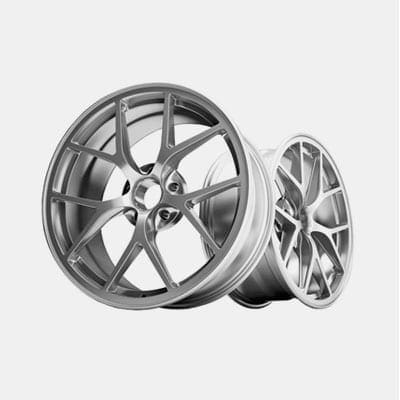


A shot blasting machine can continue operating while surface quality gradually deteriorates.
Many manufacturers first notice the problem when:
- coatings begin to fail.
- cleaning takes longer.
- media consumption increases.
- parts require rework.
- surface finish becomes inconsistent.
This guide explains the most common shot blasting problems, why they occur and the practical steps manufacturers can take to restore consistent blasting performance.
Rather than replacing equipment unnecessarily, understanding the relationship between abrasive media, turbine performance, machine settings and component handling can often solve the problem quickly.
Start With the Finish, Not the Machine
When investigating blasting defects, avoid assuming the machine itself is at fault.
Instead, examine the finished component.
Questions worth asking include:
- Is the finish inconsistent across the whole part?
- Does the problem occur on every batch?
- Is the coating adhesion poor?
- Has the surface profile changed?
- Is cleaning taking longer than before?
The answers often point directly to the root cause.
Problem 1: Uneven Surface Finish
Symptoms
- Patchy cleaning.
- Areas of remaining scale.
- Uneven coating adhesion.
- Visible blasting shadows.
Possible Causes
- Incorrect component presentation.
- Inconsistent blast coverage.
- Worn turbines or blast wheels.
- Incorrect machine setup.
- Abrasive flow problems.
Possible Solutions
Check that every surface is consistently presented to the blast stream.
If certain faces receive less exposure, consider whether a different machine configuration, such as a turntable, satellite or transit blasting system, would improve coverage.
Problem 2: Surface Profile Is Too Rough or Too Smooth
The blast profile directly affects coating adhesion.
If the profile is incorrect, coatings may fail prematurely.
Possible causes include:
- Wrong steel grit size.
- Incorrect abrasive selection.
- Media degradation.
- Excessive media contamination.
The blasting media should always match the coating specification rather than being selected purely on availability.
Problem 3: Cleaning Is Taking Longer Than Before
When cycle times gradually increase, productivity falls.
Common causes include:
- Abrasive breakdown.
- Reduced turbine efficiency.
- Incorrect media mix.
- Worn blast components.
Checking abrasive condition is often quicker and less expensive than investigating the machine itself.
Problem 4: Excessive Abrasive Consumption
High abrasive usage is often mistaken for poor media quality.
However, excessive consumption may result from:
- Damaged recovery systems.
- Incorrect separator settings.
- Excessive media breakdown.
- Incorrect blast parameters.
Regular inspection of abrasive recovery equipment helps maintain process efficiency.
Problem 5: Inconsistent Results Between Batches
Consistency is essential for manufacturers working to defined specifications.
Variation between batches may result from:
- Manual loading differences.
- Inconsistent exposure time.
- Variable abrasive condition.
- Different component orientation.
Automated handling systems can help reduce many of these variables.
Problem 6: Coating Adhesion Problems
Poor paint or powder coating adhesion is not always a coating issue.
Incorrect blasting may leave:
- Contamination.
- Insufficient profile.
- Inconsistent surface roughness.
- Embedded residues.
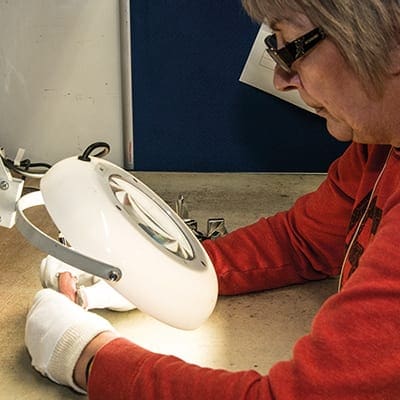
Checking the blasted surface before coating is often the quickest way to identify the real cause.
Problem 7: Excessive Machine Wear
If liners, turbines or blast components require replacement more frequently than expected, investigate:
- Abrasive grade.
- Machine loading.
- Maintenance intervals.
- Component alignment.
Preventive maintenance usually costs considerably less than emergency downtime.
Turbine Wear and Blast Pattern Consistency
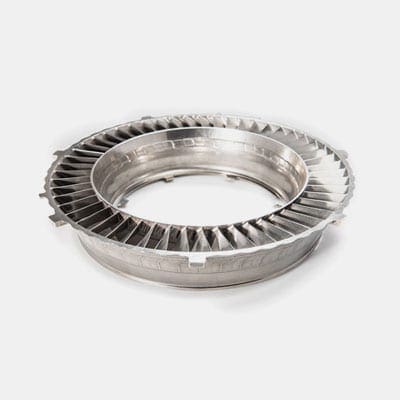
Turbines gradually wear during normal operation.
As wear increases, blast patterns become less predictable.
Signs include:
- Reduced cleaning efficiency.
- Uneven finish.
- Increased cycle time.
- Greater abrasive consumption.
Routine inspection helps maintain consistent blasting quality.
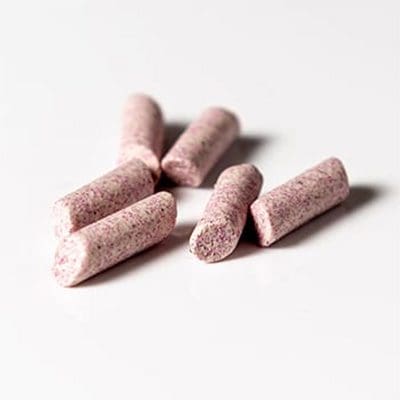
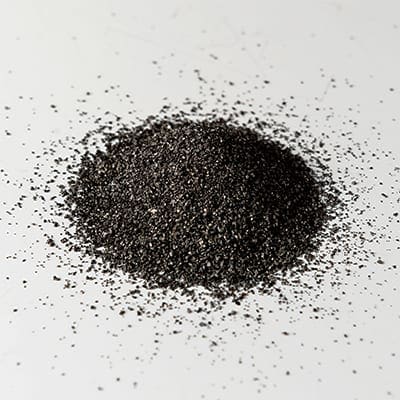
Abrasive Wear and Media Breakdown
No abrasive lasts forever.
Over time, particles become smaller, less angular and less effective.
Monitoring abrasive condition helps maintain:
- Cleaning efficiency.
- Surface profile.
- Coating preparation quality.
- Process repeatability.
When the Problem Is the Process, Not the Machine
Many manufacturers look for a replacement machine when the existing process simply needs optimisation.
A review of:
- Abrasive selection.
- Blast settings.
- Turbine condition.
- Part presentation.
- Maintenance schedules.
Can often restore performance without significant capital investment.
Why Work With ActOn Finishing?
ActOn supports manufacturers with:
- Process audits.
- Abrasive selection.
- Equipment assessment.
- Replacement blasting systems.
- Process optimisation.
- Technical advice.
Rather than recommending equipment unnecessarily, our engineers focus on identifying the underlying cause of blasting issues.
FAQs
1. Why is my shot blasting finish uneven?
Uneven finishes are commonly caused by inconsistent blast coverage, worn turbines, incorrect component presentation or abrasive flow issues.
2. What causes blasting defects?
Blasting defects can result from worn media, incorrect machine settings, poor abrasive selection, contamination or equipment wear.
3. How do I improve surface consistency?
Review abrasive condition, machine settings, component handling and turbine performance before making process adjustments.
4. Can worn media affect blasting?
Yes. As abrasive media breaks down it becomes less effective, reducing cleaning performance and altering the surface profile.
5. How often should turbines be checked?
Inspection frequency depends on production volume, but routine preventative maintenance helps maintain consistent blast performance and reduce unexpected downtime.
Request a Shot Blasting Process Audit
Experiencing inconsistent blasting results?
Book a process audit with ActOn Finishing to identify the causes of blasting defects and improve surface preparation performance.
Call: +44 (0) 24 7646 6914
Email: sales@acton-finishing.co.uk