








Surface preparation is one of the most critical stages in manufacturing, refurbishment, and coating processes. No matter how advanced a coating system may be, its long-term performance depends heavily on how well the surface beneath it has been prepared.
Shot blasting is one of the most effective and widely used surface preparation methods in modern industry. It removes rust, mill scale, old coatings, and surface contaminants while creating a controlled surface profile that allows coatings and paints to bond properly.
This guide explains what shot blasting is, how it works, why it matters, and how different shot blasting processes are selected based on material, finish requirements, and production needs.
What Is Shot Blasting?
Shot blasting is a mechanical surface preparation process that uses abrasive media propelled at high velocity to clean, prepare, or modify a surface.
The process is used to:
- Remove rust, scale, paint, and corrosion.
- Clean castings, forgings, and fabricated parts.
- Prepare surfaces for painting, coating, bonding, or inspection.
- Improve coating adhesion and corrosion resistance.
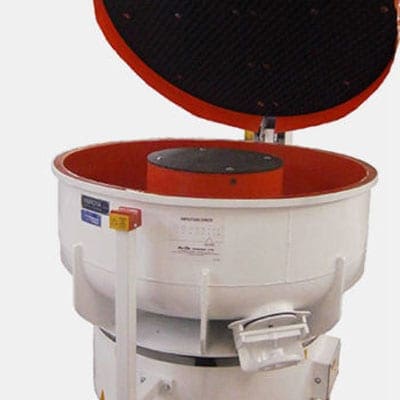
Shot blasting is commonly carried out using a shot blasting machine, which may be automated, semi-automated, or manually operated depending on the application.
Unlike chemical or manual cleaning methods, shot blasting delivers repeatable, controllable, and production-ready results.
How Shot Blasting Works
At its core, shot blasting involves accelerating abrasive media and directing it onto a surface under controlled conditions.
The process typically follows these steps:
1. Media acceleration
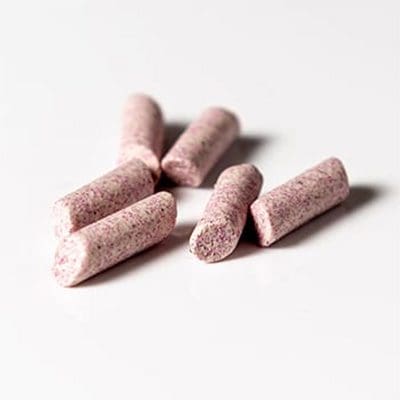
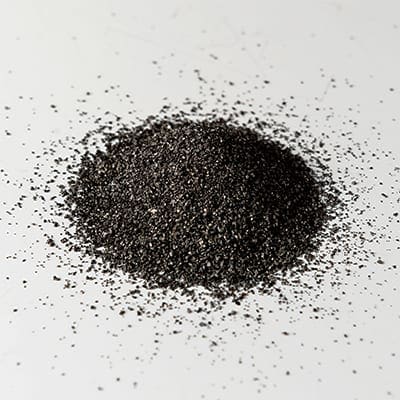
Abrasive media such as steel shot, steel grit, or specialist abrasives are accelerated using compressed air, pressure systems, or mechanical wheels.
2. Surface impact
The media strikes the surface, dislodging rust, mill scale, coatings, and contaminants.
3. Surface conditioning
Depending on the media type and process, shot blasting can either clean, roughen, smooth, or peen the surface.
4. Media recovery and filtration
Modern blast cleaning machines recover and recycle abrasive media while filtering dust and debris to maintain consistent performance.
The result is a clean, uniform surface with a defined texture suitable for downstream processes.
Why Surface Preparation Matters
Surface preparation directly affects:
- Coating adhesion.
- Corrosion resistance.
- Fatigue performance.
- Visual finish quality.
- Product lifespan.
Poorly prepared surfaces often lead to:
- Coating delamination.
- Premature corrosion.
- Rework and quality failures.
- Increased lifecycle costs.
Shot blasting ensures controlled cleanliness and surface profile, which is why it is specified across aerospace, automotive, energy, infrastructure, and precision engineering sectors.
Types of Shot Blasting Processes
Shot blasting is an umbrella term that covers multiple surface preparation techniques, each suited to different requirements.
1. Dry Shot Blasting
Uses dry abrasive media for aggressive cleaning and surface profiling. Common in heavy industry and fabrication.
2. Sand Blasting
A form of shot blasting that traditionally uses mineral abrasives. Today, safer alternatives and controlled cabinet systems are used rather than free silica sand.
3. Grit Blasting
Uses angular abrasives to cut into the surface and create a stronger surface profile for coatings.
4. Wheel Blasting
Uses high-speed rotating turbines for high-throughput, automated blasting in production environments.
5. Wet Blasting
Introduces water into the blasting process to reduce dust and produce smoother surface finishes.
6. Vapour Blasting
A fine wet blasting process used for cosmetic finishes and precision components where dimensional integrity is critical.
Each process is selected based on material type, surface condition, finish requirement, and production volume.
Shot Blasting for Different Materials
1. Steel Applications
Shot blasting is widely used on steel to remove mill scale, rust, and fabrication residues. Grit blasting is often chosen when coating adhesion is critical, while shot peening may be used to improve fatigue strength.
2. Aluminium Applications
Aluminium requires more controlled blasting to avoid surface damage. Fine media, wet blasting, or vapour blasting is commonly used to clean and prepare aluminium surfaces without distortion.
Material selection directly influences:
- Abrasive type.
- Blast pressure.
- Media size.
- Process method.
Surface Profile and Cleanliness Standards
Shot blasting is frequently specified to meet recognised surface preparation standards, including:
- Sa 2 / Sa 2½ / Sa 3 cleanliness grades.
- Defined surface roughness (Ra or Rz).
- Coating manufacturer requirements.
- Industry-specific specifications.
By controlling media type and blast parameters, shot blasting machines can consistently achieve the required surface profile for paint, powder coating, thermal spraying, or bonding.
Applications Across Industries
Shot blasting is used wherever surface integrity and coating performance matter:
- Aerospace: Component cleaning, shot peening, surface conditioning.
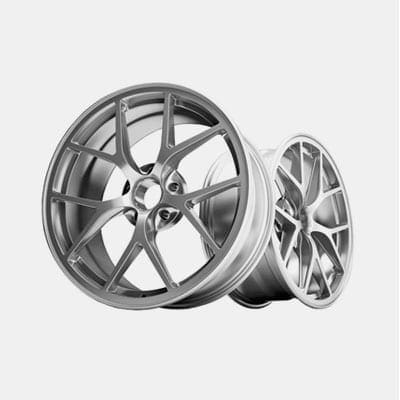
- Automotive: Chassis preparation, wheel blasting, coating prep.
- Construction & Infrastructure: Structural steel preparation.
- Energy: Pipeline and equipment surface prep.
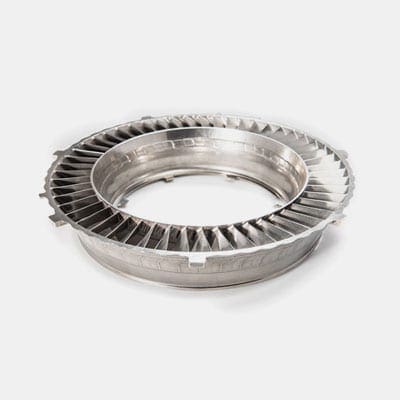
- Manufacturing: Castings, forgings, fabricated components.
- Refurbishment: Paint removal and corrosion treatment.
Its versatility makes shot blasting one of the most trusted surface preparation methods worldwide.
Why Use a Shot Blasting Machine Instead of Manual Methods?
Using a dedicated shot blasting machine delivers:
- Consistent, repeatable results.
- Reduced labour dependency.
- Improved operator safety.
- Higher throughput.
- Predictable surface quality.
- Lower long-term operating costs.
Modern blast cleaning machines are designed to integrate seamlessly into production lines or refurbishment workflows.
FAQs
1. What is shot blasting used for?
Shot blasting is used to clean, prepare, and condition surfaces by removing rust, scale, coatings, and contaminants while creating a suitable surface profile.
2. What materials can be shot blasted?
Steel, aluminium, cast iron, stainless steel, and many other metals can be shot blasted using the correct process and abrasive selection.
3. What types of shot blasting processes are available?
Shot blasting includes dry blasting, grit blasting, sand blasting, wheel blasting, wet blasting, and vapour blasting. Each is selected based on material and finish requirements.
4. Does shot blasting affect surface profile?
Yes. Shot blasting can be used to control surface roughness, which directly influences coating adhesion and performance.
5. How long does shot blasting take?
Processing time depends on component size, surface condition, blasting method, and required finish. Automated systems can process parts in seconds or minutes.
Learn More About ActOn Shot Blasting Systems
ActOn Finishing supplies a full range of shot blasting machines and blast cleaning systems tailored to specific applications, materials, and production requirements.
From compact cabinets to automated production systems, ActOn supports customers with process trials, technical guidance, installation, and long-term support.
Learn more about the shot blasting machines
Call: +44 (0) 24 7646 6914
Email: sales@acton-finishing.co.uk