




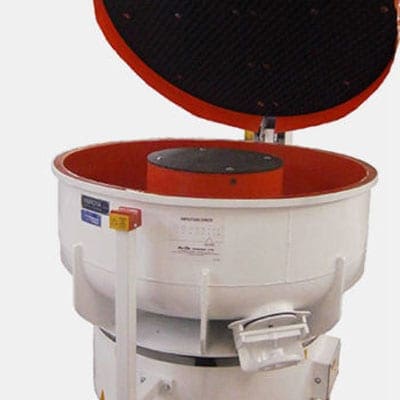


For manufacturers processing hundreds or even thousands of components every day, manual blasting quickly becomes a production bottleneck. Wheel blasting machines solve this challenge by using high-speed blast turbines to deliver a continuous stream of abrasive media, providing fast, consistent and highly repeatable surface preparation.
Unlike air-powered shot blasting cabinets, wheel blasting systems use centrifugal force rather than compressed air. This allows significantly higher blasting rates, reduced operating costs and automated processing for high-volume manufacturing.
Whether you’re cleaning castings, preparing steel for coating or removing scale from fabricated components, understanding how wheel blasting works can help you select the right solution for your production requirements.
What Is a Wheel Blasting Machine?
A Wheel blasting machine is an automated surface preparation system that accelerates abrasive media using one or more rotating blast wheels (also known as turbines).
As the blast wheel spins at high speed, abrasive media is fed into the centre of the wheel before being accelerated through control cages and blades onto the workpiece.
This creates a powerful and consistent blast pattern capable of:
- Removing rust.
- Removing mill scale.
- Cleaning castings.
- Preparing surfaces for painting.
- Preparing surfaces for powder coating.
- Removing foundry sand.
- Improving coating adhesion.
- Creating controlled surface profiles.
Because the process is fully automated, every component receives the same level of treatment, improving consistency across production batches.
How Does Wheel Blasting Work?
Although wheel blasting systems vary depending on the application, the operating principle remains the same.
1. Components Enter the Machine
Parts are loaded automatically or manually depending on the machine design.
Different systems are designed for different component types, including:
- Fabricated steel.
- Castings.
- Forgings.
- Tubes.
- Wheels.
- Structural steel.
- Engine components.
2. Abrasive Media Is Accelerated
Instead of compressed air, rotating blast wheels accelerate the abrasive media to high velocity.
This produces:
- High impact energy.
- Consistent blast coverage.
- High throughput.
- Reduced compressed air consumption.
The result is an efficient process capable of cleaning large numbers of components quickly.
3. Surface Preparation Takes Place
As components pass through the blast zone, the abrasive removes:
- Rust.
- Oxides.
- Scale.
- Surface contamination.
- Old coatings.
- Foundry residues.
At the same time, the process creates a controlled surface profile that improves the adhesion of paints, coatings and thermal spray finishes.
4. Abrasive Is Recovered and Reused
One of the major advantages of wheel blasting machines is their integrated abrasive recovery system.
Rather than discarding media after each cycle, the machine automatically:
- Collects used abrasive.
- Separates dust and contaminants.
- Screens reusable media.
- Returns clean abrasive to the blast wheel.
This improves process efficiency while reducing abrasive consumption and operating costs.
Why Choose Wheel Blasting Systems Instead of Shot Blasting Cabinets?
Both wheel blasting systems and shot blasting cabinets have important roles in surface preparation.
The best choice depends on production volumes, component geometry and automation requirements.
| Wheel Blasting Systems | Shot Blasting Cabinets |
|---|---|
| Automated process | Manual or semi-automatic |
| High production volumes | Low to medium production volumes |
| Excellent repeatability | Greater operator control |
| Lower running costs for large batches | Better for complex or localised blasting |
| Integrated abrasive recovery | Recovery depends on cabinet design |
For manufacturers processing large quantities of similar components, or components large in volume and size, wheel blasting offers greater productivity and consistency.
Types of Wheel Blasting Machines
ActOn supplies a range of automated wheel blasting systems designed for different applications.
1. Spinner Hanger Blast Machines
Spinner hanger blast machines are designed for components of different sizes, complex shapes and fragile parts. Components are suspended from hangers and presented to the blast stream, allowing controlled treatment without relying on part-on-part contact.
2. TG Series Tumble Rubber Belt Shot Blasting Machines
The TG Series uses a tumble rubber belt system and is designed for batch processing. Components tumble through the blast zone, allowing abrasive media to reach multiple surfaces during the cycle. This configuration is particularly suited to batches of smaller components that can be safely processed together.
3. TA Series Tumble Steel Belt Shot Blasting Machines
The TA Series is designed for batch processing of medium to larger components using a robust steel belt system. It provides a durable wheel blasting solution for applications where component size, weight or process demands require a heavier-duty configuration.
4. STL/A Wire Mesh Belt Shot Blasting Machines
STL/A Wire Mesh Belt Shot Blasting Machines are designed for continuous processing of aluminium and steel components. Parts travel through the blast chamber on a wire mesh conveyor, providing a controlled and repeatable process for higher-throughput manufacturing environments.
5. GSA Continuous Feed Overhead Rail Blasting Machines
The GSA Continuous Feed Overhead Rail Blasting Machine is designed for components suspended from hooks and transported through the system on a motorised overhead rail. This configuration is suited to continuous production where parts need to remain individually supported throughout the blasting process.
6. Roller Conveyor Shot Blasting Machines
Roller conveyor wheel blasting machines are designed to process metal sheets, plates, profiles, metallic structures and other long or flat components in a continuous-feed process. They are particularly relevant to fabrication and structural applications where consistent blasting across larger surfaces is required.
7. GRT Continuous Feed Tube and Bar Blast Machines
The GRT range is designed for continuous shot blasting of cylindrical components including pipes, bottles, round bars, torsion bars, gas cylinders and drill rods. Components move continuously through the blast zone to deliver consistent surface preparation around their external surfaces.
8. RT Series Rotary Table Shot Blasting Machines
RT Series Rotary Table Shot Blasting Machines are suitable for small and medium-sized components. Parts are positioned on a rotating table and presented to the blast stream in a controlled manner, making this configuration useful where parts are better processed individually or in defined positions.
9. STL Tunnel Concrete Shot Blast Machines
The STL Tunnel Concrete Shot Blast Machine is designed for the surface treatment of materials including marble, granite, natural stone, concrete and aggregate blocks. This demonstrates that wheel blasting technology is not limited to metal components and can also be applied to construction and engineered materials where controlled surface treatment is required.
Which Industries Use Wheel Blasting?
Wheel blasting technology is widely used across manufacturing sectors including:
1. Steel fabrication
Preparing structural steel before painting or galvanising.
2. Foundries
Removing sand and scale from castings.
3. Automotive
Cleaning fabricated components and preparing parts before coating.
4. General engineering
Removing oxides, corrosion and machining residues.
5. Heavy manufacturing
Preparing large fabricated components for welding, coating or assembly.
Benefits of Wheel Blasting Machines
Manufacturers choose wheel blasting because it offers:
- High production throughput.
- Consistent surface preparation.
- Automated operation.
- Reduced labour requirements.
- Lower abrasive consumption through media recycling.
- Repeatable surface profiles.
- Lower operating costs for high-volume production.
When integrated into production lines, wheel blasting systems help improve process efficiency while maintaining consistent quality standards.
Choosing the Right Wheel Blasting Machine
Selecting the correct machine depends on several factors, including:
- Component size.
- Component weight.
- Production volumes.
- Required surface finish.
- Material type.
- Automation requirements.
- Available floor space.
ActOn works with manufacturers to specify the most appropriate wheel blasting system based on their production process rather than offering a one-size-fits-all solution.
Why Choose ActOn?
ActOn Finishing supplies complete wheel blasting solutions supported by:
- Process trials.
- Machine specification.
- Installation and commissioning.
- Operator training.
- Spare parts and servicing.
- Ongoing technical support.
Every system is selected to match your production requirements, ensuring maximum productivity, consistent surface preparation and long-term reliability.
FAQs
1. What is a wheel blasting machine?
A wheel blasting machine uses high-speed rotating turbines to propel steel shot or grit onto components for automated cleaning, descaling and surface preparation.
2. What is the difference between wheel blasting systems and shot blasting cabinets?
Wheel blasting uses centrifugal turbines instead of compressed air, making it more suitable for high-volume automated production.
3. Which abrasive media is used in wheel blasting machines?
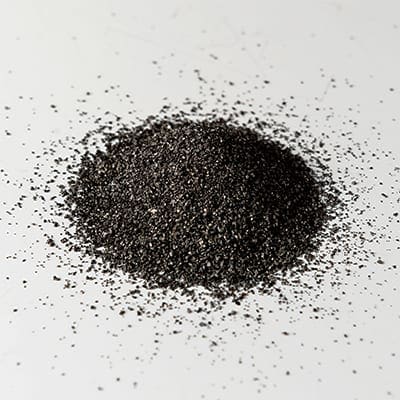
Wheel blasting machines can use different types of abrasive media depending on the component material, its starting condition and the required finishing result. Media selection should therefore be based on the specific application and surface requirements rather than being limited to steel shot or steel grit.
4. Which industries use wheel blasting machines?
Wheel blasting is widely used in steel fabrication, foundries, automotive manufacturing, heavy engineering and general industrial production.
5. How do I choose the right wheel blasting machine?
The best system depends on your component size, production volume, material, required finish and level of automation. ActOn can recommend the most suitable solution following a review of your application.
Book a Free Wheel Blasting Consultation
If you’re looking to improve production efficiency or automate your surface preparation process, our engineers can help specify the right Wheel blasting machine for your application.
Speak to an ActOn blasting specialist
Contact our team today today or arrange a free process trial.
Call: +44 (0) 24 7646 6914
Email: sales@acton-finishing.co.uk