



Doubling Efficiency with a Single System
In manufacturing, every second counts. That’s why companies are turning to dual finishing machines. The innovative systems that perform both wet and dry finishing in one seamless process.
At ActOn Finishing, our dual systems are designed to help engineers reduce process times, improve throughput, and optimise floor space. By combining two stages of finishing in a single, automated unit, you can eliminate unnecessary part handling, reduce labour input, and achieve consistent, high-quality finishes faster.
Whether you’re polishing aerospace components, deburring medical instruments, or cleaning automotive parts, ActOn’s dual finishing solutions deliver measurable efficiency gains.
What Are Dual Finishing Machines?
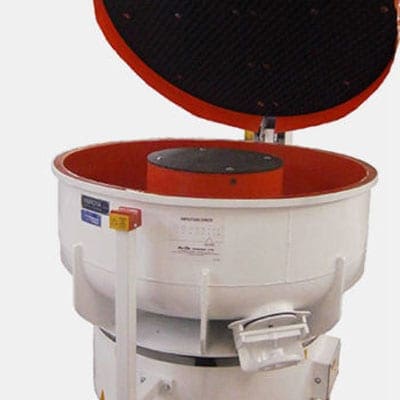
A dual finishing machine integrates wet and dry finishing technologies into one system. Traditionally, parts are moved between multiple machines, for example, a vibratory bowl for deburring and a dryer for final polishing.
ActOn’s design brings these stages together into a single, compact system, allowing both processes to run automatically in sequence.
The result:
- Shorter cycle times.
- Minimal manual intervention.
- Consistent finish quality.
ActOn’s dual systems are ideal for manufacturers who need both speed and surface precision without increasing their factory footprint.
The Benefits of Combining Wet and Dry Finishing
1. Faster Cycle Times
Dual finishing eliminates the need to transfer parts between machines, cutting total processing time by up to 40%.
2. Improved Process Control
Each stage – wet and dry – operates under controlled parameters. This ensures uniform results from start to finish, with less chance of contamination or inconsistency.
3. Space-Saving Design
ActOn’s systems integrate two machines into one footprint, helping manufacturers maximise productivity even in space-limited facilities.
4. Enhanced Operator Safety
With fewer manual handling steps, operators experience a lean production job and more predictable workflows.
How Dual Systems Improve Throughput
Traditional finishing lines often create bottlenecks due to machine availability, part transfer, or drying time. By automating sequential finishing within one unit, dual systems streamline your production flow.
Typical Process Example
1. Wet Finishing: Parts are deburred, smoothed, or polished using vibratory finishing motion.
2. Media Separation: Finished parts are separated from abrasive media.
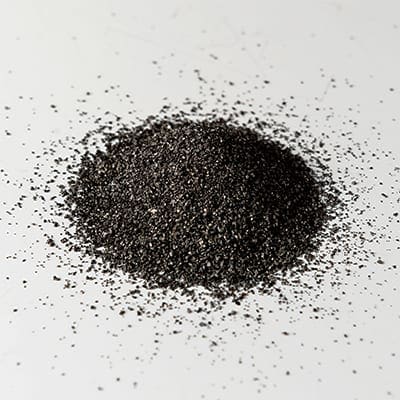
3. Drying & Polishing: Parts are immediately transferred into the dry finishing chamber for drying or final brightening using heated maizorb media.
This continuous process allows operators to run larger batches in less time while maintaining consistent surface results.
Automation and Smart Control Integration
Every ActOn dual finishing machine can be fitted with:
- PLC/HMI controls for digital management.
- Automatic compound dosing.
- Parts feeder transferring the components by a set weight into the machine.
- Load/unload automation options.
These features enable fully automated finishing cells, ideal for integration with robotic handling or conveyor-fed manufacturing lines.
ActOn’s engineering team designs each system to match your specific part geometry, material type, and production volume, ensuring both precision and flexibility.
Why Choose ActOn’s Dual Finishing Solutions
ActOn Finishing is one of the few UK manufacturers offering dual finishing systems built to exact customer specifications.
Our Advantages:
- Over 60 years of process engineering expertise.
- British-built systems tested for repeatability and durability.
- Proven ROI through reduced handling and energy costs.
- Easy integration into existing manufacturing lines.
- Comprehensive aftercare, maintenance, and support.
Each system is designed to deliver measurable value – higher throughput, consistent finishes, and reduced downtime.
Applications Across Industries
ActOn’s dual finishing machines are used across:
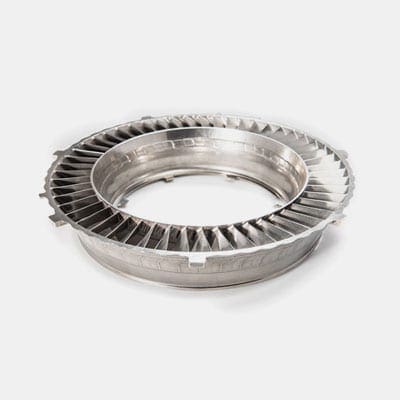
- Aerospace: polishing turbine blades and housings.
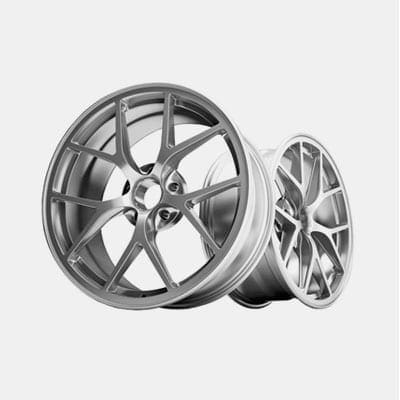
- Automotive: deburring and drying precision components.
- Medical: cleaning and polishing implants and surgical instruments.
- General Engineering: reducing cycle times for complex parts.
- Hospitality: cleaning and polishing cutlery and silverware.
Wherever efficiency, repeatability, and surface integrity matter, ActOn’s technology delivers results.
Sustainability and Maintenance Advantages
Dual systems are not just efficient – they’re sustainable.
- Reduced media waste and water consumption.
- Lower energy footprint compared to separate systems.
- Easy access design for quick maintenance and minimal downtime.
These innovations help manufacturers meet sustainability targets without compromising productivity.
FAQs
1. What is a dual finishing machine?
It’s a system that combines both wet and dry finishing in one compact unit to improve efficiency and reduce handling.
2. How much time can dual systems save?
On average, up to 40% faster cycle times compared to separate polishing and drying machines.
3. Can I retrofit my existing machines?
Yes, ActOn can integrate automation and dual-stage upgrades into most existing systems.
4. What industries benefit from dual finishing?
Aerospace, medical, and automotive sectors benefit most due to high precision and throughput requirements.
5. Are dual finishing machines energy efficient?
Yes, shared utilities and automation reduce energy, compound, and water use per cycle.
Request a Free Finishing Trial
Call: +44 (0) 24 7646 6914
Email: sales@acton-finishing.co.uk
Ready to double your output without doubling your costs?
Book a free trial with ActOn’s Dual Finishing Systems and see how automation can transform your finishing process.
Request a Trial