








When it comes to finishing delicate or high-value components, choosing the right process is essential to avoid surface defects, preserve tolerances, and achieve consistent quality. That’s why more manufacturers are asking: drag vs vibratory finishing, which is better for sensitive parts?
At ActOn Finishing, we provide expert guidance and advanced machinery for all finishing needs. Technical Buyers and QA Managers can use this guide to evaluate the strengths of drag finishing, compare it with vibratory finishing, and determine when to use each method.
What Is Drag Finishing?
In drag finishing, operators clamp parts onto rotating spindles and drag them through media at controlled speeds and depths. Fixing the parts in place prevents them from tumbling freely, which minimises part-on-part contact and produces uniform, high-quality finishes.
This controlled movement creates a contactless polishing effect between the workpieces and the finishing media. The result? Superior surface preservation and high-quality, repeatable finishes, often achieving mirror-like results.

What Is Vibratory Finishing?
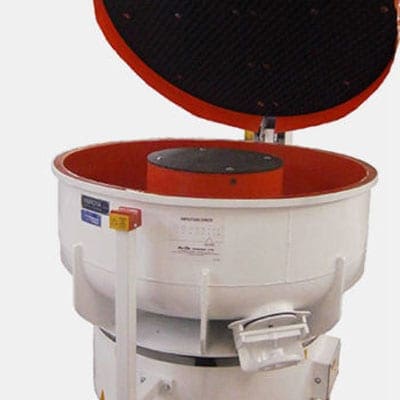
Vibratory finishing involves placing parts and media into a vibrating bowl or trough. The motion causes the media to flow around the parts, providing efficient deburring and polishing action across all surfaces.
Contrary to popular belief, vibratory finishing does not inherently damage parts. When configured properly, using the right media, process parameters, and even divider plates, vibratory finishing provides repeatable, high-quality surface finishes with excellent results, even on delicate or lightweight components.
Drag vs Vibratory Finishing: Key Differences
| Feature | Drag Finishing | Vibratory Finishing |
|---|---|---|
| Part Motion | Fixed and controlled | Free-moving in media |
| Contact Control | Maximum control, no part-on-part contact | Controlled via process/media + dividers |
| Finish Quality | Mirror finish, highly consistent | High-quality polish, batch repeatability |
| Surface Preservation | Excellent | Excellent with correct setup |
| Ideal Applications | High-value, intricate, tight-tolerance parts | Batch processing of robust or delicate parts |
Surface Preservation Matters
In industries such as aerospace, medical, dental, and jewellery, even the slightest surface flaw can lead to functional failures or regulatory noncompliance.
Drag finishing stands out for:
-
Maintaining fine surface details
-
Preventing scratches and dents
-
Handling tight tolerances with confidence
However, vibratory finishing, when set up with divider plates and suitable media, also allows processing of delicate or precision parts without compromise.
Contactless Polishing for Complex Parts
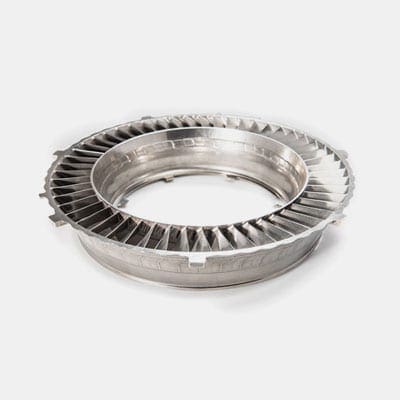
Delicate components such as turbine blades, dental implants, or intricate watch cases benefit from the contactless polishing offered by drag finishing. With this method:
-
Each part is isolated and securely fixtured
-
Rotation ensures consistent media contact across all surfaces
- The machine polishes tight features and complex geometries evenly without causing damage.
This makes drag finishing especially valuable when surface consistency, traceability, and rework reduction are top priorities.

When to Choose Drag Finishing
Use drag finishing when:
-
Part-on-part contact must be avoided entirely
-
Mirror finishes or ultra-smooth surfaces are required
-
Components are high-value or requite tight tolerances
-
Traceability and surface integrity are critical
ActOn’s drag finishing machines feature modular fixture designs, adjustable RPMs, and fully customisable process settings for optimal control and precision.
When to Choose Vibratory Finishing
Vibratory finishing is ideal when:
-
You’re processing batches of parts
-
Uniform deburring or polishing is needed across many components
-
Time and cost efficiency are important
-
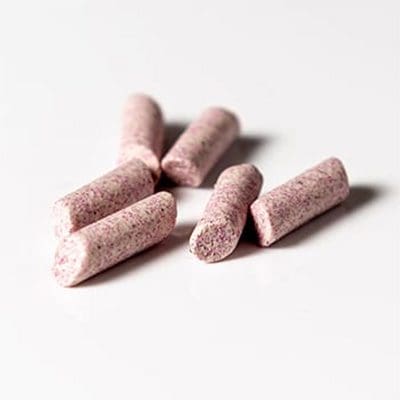
Delicate parts can be processed with divider plates or softer media
Manufacturers continue to rely on this versatile and robust solution, especially when they need high throughput and repeatable finishes across varied part geometries.
FAQs: Drag vs Vibratory Finishing
Is drag finishing slower than vibratory?
No, drag finishing is typically faster and offers greater precision and surface quality.
Can vibratory finishing damage delicate parts?
Not if properly set up. Using divider plates and the right media prevents damage and ensures uniform results.
What kind of finishes can each method achieve?
Both processes can achieve finishes such as deburring, edge radiusing, surface grinding, smoothing, and polishing.
Are both systems automated?
Yes. ActOn offers automation options for both technologies, including programmable cycles, compound dosing, and load-assist features.
Why Choose ActOn?
Whether you’re considering drag or vibratory finishing, ActOn Finishing provides:
-
Tailored machinery for your part specs and quality standards
-
UK-based support and expertise
-
In-house trials to validate the best finishing process
We help you make decisions based on surface preservation, cost-effectiveness, and repeatability, not just speed.
Talk to the Finishing Experts
At ActOn Finishing, we help clients match the right technology to their production goals. Whether you’re exploring drag finishing or upgrading your vibratory process, our team is here to support you.
Request a Free Demo OR Get a Quote and find out how vibratory finishing and drag finishing can transform your surface preparation.