






Choosing the Right Mass Finishing Media Matters
Selecting the correct mass finishing media is one of the most important decisions in any surface finishing process. The wrong media can increase cycle times, damage components, reduce finish quality, and create inconsistent results across batches.
At ActOn Finishing, we help manufacturers select the most effective finishing media based on:
- Part material
- Component geometry.
- Required surface finish.
- Process type.
- Production throughput.
Whether you are using ceramic media, plastic media, or walnut shell polishing media, the correct selection improves process efficiency, finish consistency, and operational reliability.
Understanding Mass Finishing Media
Mass finishing media is used to:
- Deburr components.
- Smooth surfaces.
- Refine edges.
- Improve cosmetic finish.
- Polish parts.
- Prepare components for coating or assembly.
Different media types produce different finishing actions depending on:
- Density
- Abrasiveness
- Shape
- Size
- Compound compatibility
The right combination of machine, compound, and media creates a controlled and repeatable finishing process.
Ceramic vs Plastic Media
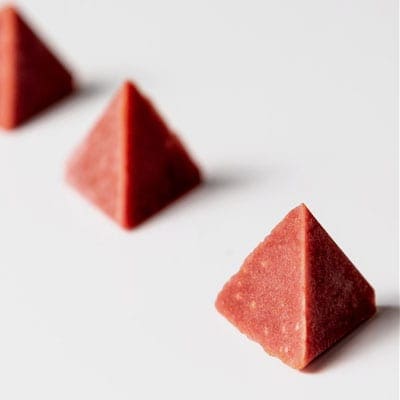
1. Ceramic Media

Ceramic media is commonly used for:
- Faster material removal.
- Deburring metal components.
- Edge radiusing.
- Surface smoothing.
- Pre-polishing operations.
- Finishing hard materials.
- Burnish or highly polish finish.
Ceramic media is:
- Dense
- Aggressive
- Long-lasting
It is often selected for:
- Hardened materials.
Because it is aggressive it is important to not use it to process components made out of soft materials, as it will damage the shape easily.
Choosing the right shape and size
Size:
The component finish is also subject to the size of media chosen. A larger media will generate higher energy; hence it will cut and finish faster with higher wear rates. This is also recommended for processing larger parts.
A smaller media can hold more water and compound resulting in less part-on-part damage. Also, a smaller media has a gentler impact on part, which results in longer processing times, better finishes and less media wear.
Generally, media size has to be of a different size to the part to allow complete separation at the end of the finishing process. If media is larger than parts, then an inverse separation system can be used. For ferrous components, magnetic separation is also available.
Shape:
When choosing the shape of the media it is important to consider the geometry of the part – hence any lodgement of media can be avoided and the part finish will be consistent.
A flat sided media, such as triangles, tri-stars, wedges and the end side of cones, can generate longer surface contact time on edges for deburring and radiusing. However, round shaped media, such as balls, cylinders and cones generate a single point contact concentrating energy in one small point, therefore producing more work in that area.
For components which have corners, holes and slots both TriStar media and wedge media are recommended, minimising the possibility of media lodgement.
For surface improvement of hard to reach areas, an ellipse or cylinder shape can be considered.
2. Plastic Media

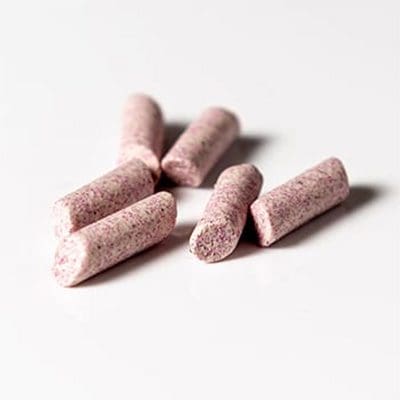
Plastic media provides a lighter and less aggressive finishing action.
Typical uses include:
- Softer metals like Aluminium, Copper, Brass, Gold and Silver.
- Delicate finishing operations.
- Cosmetic surface preparation.
- Applications requiring lower material removal.
- Smooth finishing.
Plastic media is commonly used where preserving dimensional accuracy or reducing surface damage is critical.
Compared with ceramic media, plastic media generally:
- Produces smoother finishing action.
- Generates less aggressive cutting.
- Reduces part impingement risk.
- Works well with softer materials.
3. Agro Media

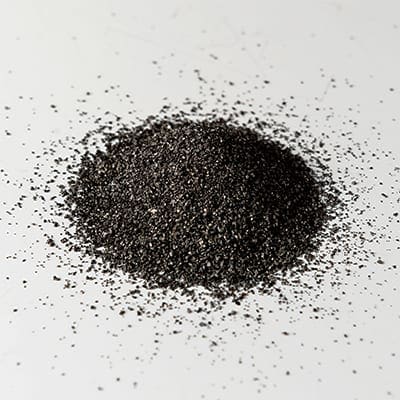
The maizorb grains have high abrasion resistance, good moisture absorption and low specific gravity. This agro product is best suited for drying, cleaning and polishing components.
Walnut shells are hard and fibrous, and are known as ‘soft abrasive’. Being extremely durable, walnut shells are used for the cleaning and polishing of heat-treated components, jewellery, surgical components, watches, etc.
Then you have the pre-treated maizorb: developed to produce a bright mirror finish. This can be used both in vibratory and high energy machines.
The pre-treated walnut shell imparts high lustre on components. It has been proven that on certain materials, pre-treated walnut produces a much brighter finish than pre-treated maizorb.
Media Wear Rates and Compound Compatibility
Different media types wear at different rates depending on:
- Machine intensity.
- Process duration.
- Component hardness.
Correct compound selection is essential to:
- Maintain media performance.
- Improve lubrication.
- Reduce contamination.
- Enhance finish quality.
- Achieve a certain surface finish like cleaning, polishing, descaling.
ActOn supplies both finishing media and compounds designed to work together for stable and repeatable process performance.
Why Manufacturers Work with ActOn Finishing
ActOn Finishing provides:
- Technical media selection support.
- Process testing and trials.
- Media recommendations based on application.
- Vibratory, centrifugal, disc, and drag finishing process expertise.
- UK-based finishing support.
- 60 Years of experience.
Our engineers help manufacturers improve:
- Surface consistency.
- Process repeatability.
- Throughput efficiency.
- Media lifespan.
- Finishing quality.
FAQs
1. What is ceramic media used for in mass finishing?
Ceramic media is commonly used for deburring, edge radiusing, surface smoothing, and faster material removal on hard metal components.
2. When should plastic media be used?
Plastic media is typically used for softer materials, delicate components, and applications where lower aggression and improved cosmetic finishing are required.
3. How do I choose media for my part?
Media selection depends on part material, geometry, finish requirements, machine type, and the amount of material removal needed.
4. Why does media cost vary by quantity and process?
Media pricing depends on specification, purchase quantity, process intensity, application requirements, and expected media lifespan.
Speak to a Mass Finishing Media Specialist
Not sure which finishing media is right for your process?
Call: +44 (0) 24 7646 6914
Email: sales@acton-finishing.co.uk