






Choosing the right blasting cabinet is a critical decision for any workshop involved in cleaning, surface preparation, or finishing. The wrong cabinet can slow production, increase running costs, and compromise finish quality. The right one can dramatically improve efficiency, safety, and consistency.
An abrasive blast cabinet provides a controlled, enclosed environment where components can be cleaned or prepared using abrasive media, without dust escaping into the workspace. But not all blasting cabinets are the same.
This guide explains how to choose the right blasting cabinet based on part size, finish requirements, production volume, and workshop layout.
What Is an Abrasive Blast Cabinet?
An abrasive blast cabinet is an enclosed piece of surface cleaning equipment designed to propel abrasive media at a component under controlled conditions. The cabinet contains the abrasive, dust, and debris while allowing the operator or automation system to work safely and consistently.
Blasting cabinets are used for:
- Rust and corrosion removal.
- Paint and coating stripping.
- Surface roughening for coating adhesion.
- Cleaning castings, forgings, and machined parts.
- Cosmetic surface finishing.
Compared to open blasting, an abrasive blasting cabinet offers better control, improved safety, and repeatable results.
Cabinet Types: Which One Do You Need?
1. Suction Blasting Cabinets
Suction cabinets use compressed air to draw abrasive media into the blast stream.
Best for:
- Light to medium cleaning.
- Smaller parts.
- Lower air consumption.
- Entry-level workshop use.
Limitations:
- Slower material removal.
- Less aggressive cutting action.
2. Pressure Blasting Cabinets
Pressure blasting cabinets store abrasive in a pressurised vessel and deliver it directly to the nozzle.
Best for:
- Faster cleaning and higher productivity.
- Heavy corrosion or coating removal.
- Grit blasting applications.
- Professional and production workshops.
This is why many workshops upgrade to a pressure abrasive blast cabinet once throughput becomes critical.
3. Wet and Vapour Blasting
Wet and vapour blasting are specialised forms of abrasive blasting that introduce water into the blasting process to deliver greater control and improved surface finish. By suspending abrasive media in water, these methods reduce impact energy, minimise dust, and produce a more uniform surface treatment compared to dry blasting.
Best for:
- Components where surface appearance matters.
- Delicate or complex geometries.
- Restoration and refurbishment work.
- Applications where dust control and operator safety are critical.
4. Specialised Blasting Cabinets
Some cabinets are designed for specific applications, such as:
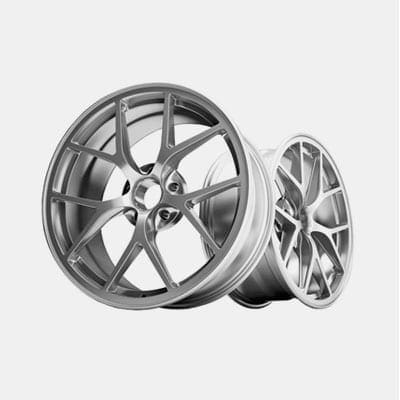
- Wheel blasting.
- Internal pipe blasting.
- Automated or robotic blasting.
These are selected when geometry, finish consistency, or automation are key requirements.
How to Size Your Blasting Cabinet Correctly
Cabinet size should be determined by:
- Maximum part dimensions.
- Part weight.
- Loading and unloading method.
- Required operator access.
A common mistake is choosing a cabinet that just fits the part. In practice, you need:
- Clearance for nozzle movement.
- Space for media circulation.
- Visibility for accurate blasting.
Choosing a cabinet that is slightly larger than your current needs allows for future flexibility and better ergonomics.
Key Features to Look For
When comparing abrasive blast cabinets, focus on features that directly affect performance and operating cost.
1. Airflow and Dust Extraction
Efficient dust extraction:
- Improves visibility.
- Reduces filter clogging.
- Extends media life.
- Protects operator health.
A well-designed dust system is essential for consistent blasting.
2. Media Recycling and Separation
High-quality cabinets include:
- Cyclones or separators.
- Automatic filter cleaning.
- Consistent media grading.
This ensures predictable cutting performance and reduces abrasive consumption.
3. Build Quality and Sealing
A professional abrasive blast cabinet should feature:
- Heavy-duty steel construction.
- Proper door seals.
- Safety interlocks.
- Abrasion-resistant linings.
- Large window and optimal circulation of air for continuous clear view.
These directly impact cabinet lifespan and maintenance frequency.
Wet Blasting vs Pressure vs Suction Cabinets: Which Is More Efficient?
Efficiency depends on the application.
Pressure blasting cabinets:
-
- Remove material faster.
- Reduce cycle times.
vAre better for grit blasting.
- Offer higher productivity per hour.
Suction cabinets:
- Are more economical for light cleaning.
- Use less compressed air.
- Are easier to operate for small jobs.
For most commercial workshops, pressure blasting delivers better long-term efficiency.
What Materials Can Be Blasted in a Cabinet?
With the correct setup, blasting cabinets can process:
- Carbon steel and stainless steel.
- Aluminium and light alloys.
- Cast iron and forgings.
- Fabricated components.
- Tools, jigs, and fixtures.
Material type influences:
- Abrasive selection.
- Blast pressure.
- Nozzle size.
- Cabinet specification.
Matching the cabinet to the material avoids surface damage and inconsistent finishes.
Maintenance Tips for Long-Term Performance
To keep your abrasive blasting cabinet performing efficiently:
- Inspect seals and gloves regularly.
- Monitor filter condition and airflow.
- Replace worn nozzles before efficiency drops.
- Use correctly graded media.
- Keep extraction systems clean.
Preventative maintenance reduces downtime and protects finish quality.
Blasting Cabinets and Workshop Efficiency
A properly specified blasting cabinet:
- Reduces manual cleaning time.
- Improves finish consistency.
- Lowers rework rates.
- Keeps dust contained.
- Improves overall workshop safety.
This is why blasting cabinets are a core asset in professional finishing and refurbishment environments.
FAQs
1. What are the main types of blasting cabinets?
The main types are suction blasting cabinets, pressure blasting cabinets, wet blasting cabinets and specialised cabinets designed for specific applications.
2. How do I choose the right cabinet size?
Choose a cabinet that comfortably fits your largest components while allowing space for nozzle movement and media circulation.
3. Do all abrasive blast cabinets use compressed air?
Yes. All blasting cabinets rely on compressed air, though pressure requirements vary depending on cabinet type.
4. How can I reduce dust in a blasting cabinet?
Efficient dust extraction, proper sealing, and regular filter maintenance are key to reducing dust. Otherwise choose a wet blasting cabinet, which uses a mix of abrasive media and water. In this case there is no dust or little dust.
5. What materials can be blasted safely?
Steel, aluminium and many other metals can be blasted safely using the correct abrasive and pressure settings.
Get Expert Advice on Your Blasting Setup
ActOn Finishing supplies a full range of abrasive blast cabinets, including high-performance pressure blasting systems designed for professional workshops.
Our engineers help customers select the right cabinet, validate performance through trials, and optimise setup for efficiency and reliability.
Get expert advice on your blasting setup
Key Takeaway
Choosing the right abrasive blast cabinet is about more than price. It’s about matching the cabinet to your parts, your finish requirements, and your production goals.
The right choice delivers safer operation, better finishes, and long-term efficiency – making blasting cabinets one of the most valuable investments in any workshop.
Call: +44 (0) 24 7646 6914
Email: sales@acton-finishing.co.uk