







When precision matters, traditional finishing methods often fall short.
Centrifugal finishing, also known as centrifugal high energy finishing, is designed for applications where tight tolerances, complex geometries and consistent surface quality are critical.
It is one of the most effective processes available for achieving repeatable, high-precision finishes at scale.
What Is Centrifugal Finishing?
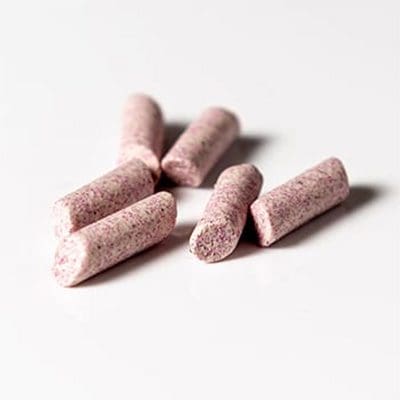
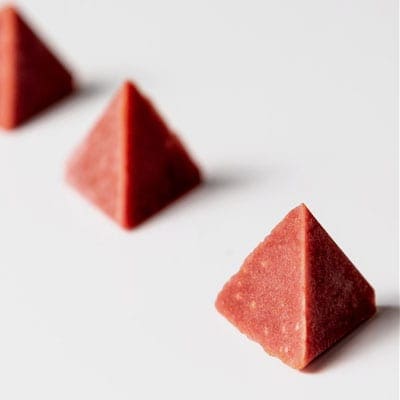
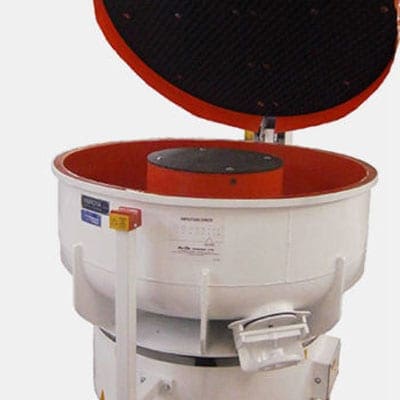
Centrifugal finishing uses high-speed rotating barrels mounted on a turret. As the turret rotates, the barrels spin in the opposite direction, creating intense forces that drive media against the parts.
This generates significantly higher energy than standard vibratory finishing. The result is 30x times faster processing, improved control and superior surface finishes.
How It Works: High Energy, Controlled Precision
The process combines three key elements:
- Rotational force.
- Finishing media.
- Chemical compounds.
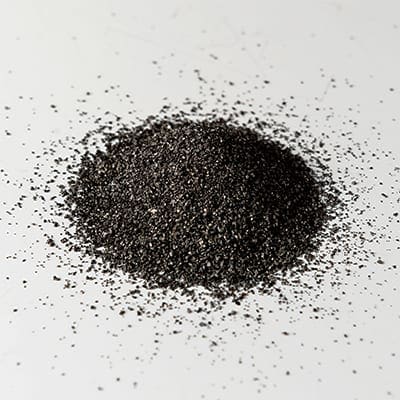
Together, these create a controlled environment where material removal and surface refinement can be precisely managed.
Compared to other finishing methods, centrifugal systems:
- Increase contact pressure between media and part.
- Deliver uniform finishing across all surfaces.
- Reduce processing time dramatically.
This is why the process is often used for high-value, precision components.
What Tolerances Can Centrifugal Finishing Achieve?
Centrifugal finishing is capable of achieving extremely tight tolerances, often under 0.09 microns depending on the application.
Key benefits include:
- Controlled material removal.
- Consistent edge radiusing.
- Repeatable results across batches.
- Improve the right first time results on components from 27% to 92%.
- Turnaround time can be reduced by 30%.
- Operating costs can be reduced up to 25%.
- Most applications, take between 10 to 30 minutes.
This level of precision is essential for industries where even minor deviations can impact performance or safety.
What Finish Quality Can Be Achieved?
Centrifugal finishing can produce:
- Smooth, uniform surfaces.
- Fine satin finishes.
- Mirror-like finishes on suitable materials.
The final finish depends on the media, compound and process configuration.
With the right setup, components can move from rough machining marks to high-end polished finishes in a single controlled process.
For example at ActOn Finishing have managed to reduced the traditional 7 steps finishing process for the knee implant, to 3 steps (grinding, smoothing & polishing).
Parts were processed in the CHEF machine and the results included:
- Process time reduced significantly.
- 3 manual stages eliminated.
- Free of defects mirrored finish surface.
- Repeatable and consistent results.
- Ra finished condition: 0.04 μm, from a Ra start condition: 3.133 μm.
Can It Handle Complex Shapes?
Yes, and this is where centrifugal finishing stands out.
The process is highly effective for:
- Intricate geometries.
- Internal features.
- Small, detailed components.
- Parts with multiple surfaces.
The high-energy motion ensures consistent contact between media and all accessible surfaces, even in complex parts.
Which Industries Benefit Most?
Centrifugal finishing is widely used in industries where precision and repeatability are essential.
1. Aerospace
- Tight tolerance components.
- Critical surface finishes.
- Performance-driven parts.
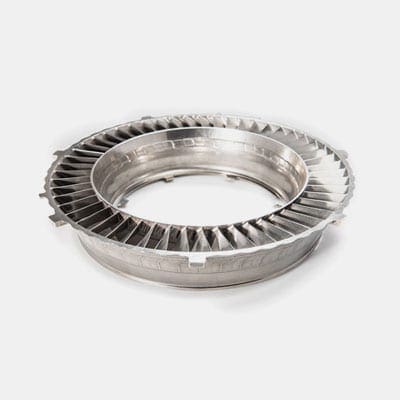
Aerospace components demand absolute consistency, making centrifugal finishing an ideal solution.
2. Tooling and Engineering
- Cutting tools.
- Precision-machined components.
- Complex geometries.
Improved surface finish enhances tool life and performance.
3. Medical and High-Spec Manufacturing
- Fine surface requirements.
- Clean, repeatable finishes.
- Small, intricate parts.
These sectors rely on controlled processes to meet strict standards.
Processing Time: Speed Without Compromise
One of the biggest advantages of centrifugal finishing is speed.
Compared to vibratory finishing:
- Processing times can be reduced significantly.
- Faster throughput improves productivity.
- Reduced cycle times lower cost per part.
This makes it not only a precision solution, but also a commercially efficient one.
Accuracy Benefits That Drive ROI
Precision finishing is not just about quality. It directly impacts cost and performance.
Centrifugal finishing delivers:
- Reduced rework and scrap.
- Improved consistency across batches.
- Lower labour and inspection time.
- Enhanced product performance.
This aligns with a core commercial outcome: increasing return on gross margin through process efficiency.
Surface Data and Measurable Results
Centrifugal finishing enables measurable improvements, including:
- Reduced surface roughness (Ra values under 0.09 microns).
- Controlled edge radiusing.
- Improved fatigue resistance.
These outcomes are critical in applications where surface integrity affects performance.
Why Centrifugal Finishing Outperforms Alternatives
Compared to traditional methods, centrifugal finishing offers:
- Higher energy and faster results.
- Greater control over tolerances.
- Better performance on complex parts.
- More consistent batch outcomes.
It is not just an upgrade. It is a different level of finishing capability.
Centrifugal Finishing in the UK: Why Expertise Matters
Achieving the best results is not just about the machine.
It requires:
- Correct media and compound selection.
- Process optimisation.
- Application-specific expertise.
At ActOn Finishing, centrifugal finishing is tailored to your components, ensuring the process delivers both precision and efficiency.
FAQs
1. What tolerance can centrifugal finishing achieve?
It can achieve extremely tight tolerances, often within microns depending on the application and process setup.
2. Which industries benefit most from centrifugal finishing?
Aerospace, tooling, medical and precision engineering industries benefit due to the need for high accuracy and repeatability.
3. What finish quality can it reach?
It can deliver smooth, satin or mirror-like finishes depending on the media and process configuration.
4. Can it handle complex shapes?
Yes. It is highly effective for intricate geometries and multi-surface components.
5. What is the processing time?
Processing times are significantly faster than traditional methods, improving throughput and reducing cost per part.
Request a Free Finishing Trial
If you are working with tight tolerances or complex parts, centrifugal finishing could transform your process.
Request a free finishing trial to see how your components can benefit from improved precision, consistency and cost efficiency.
Call: +44 (0) 24 7646 6914
Email: sales@acton-finishing.co.uk