



Automated Finishing Solutions
In manufacturing, time, precision, and repeatability make the difference between profit and waste. That’s why more businesses are turning to automated finishing solutions. At ActOn Finishing, we supply custom-built automated systems that reduce manual handling, improve consistency, and free up valuable operator time.
Whether you work in aerospace, automotive, or general engineering, automation gives you a competitive edge. Here are the top five benefits of investing in ActOn’s automated finishing solutions.
1. Consistent, Repeatable Results
Manual handling introduces variation. Automated mass finishing ensures every component goes through the same controlled cycle. From deburring and descaling to polishing and super-finishing, your parts achieve reliable, validated results every time.
2. Faster Processing and Higher Throughput
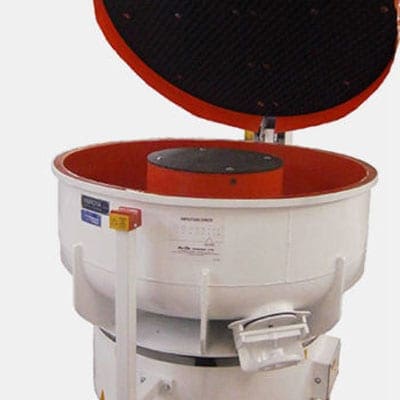
Automated systems reduce operator input and streamline workflows. By integrating vibratory, high energy, or disc finishing systems with automated handling, you can increase throughput without adding labour. This means more parts finished in less time and reduced bottlenecks on your production line.
3. Lower Labour Costs and Reduced Risk
Automation frees operators from repetitive handling and monitoring tasks. With smart controls and media recirculation systems, labour requirements drop, and the risk of operator error or part damage falls dramatically.
4. Tailored to Your Applications
Every business has unique needs. ActOn builds automation around your exact requirements, from compact automated vibratory bowls to multi-stage disc finishing cells. We integrate handling, media recycling, and compound dosing so the entire process is seamless.
5. Improved Health, Safety, and Sustainability
Automated loading, separation, and drying reduce manual lifting and exposure to dust or slurry. Combined with media recirculation and wastewater systems, ActOn solutions help you meet H&S requirements while cutting water and compound use.
Applications Across Industries
Here are just a few examples of what you can achieve when using ActOn’s automated finishing systems:
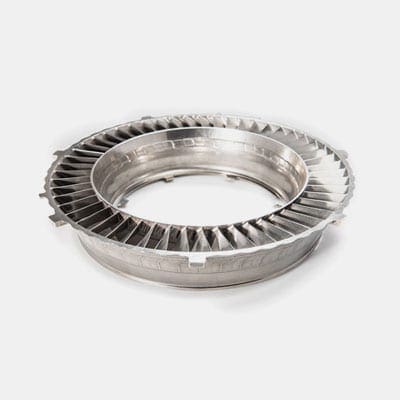
- Deburring aerospace components.
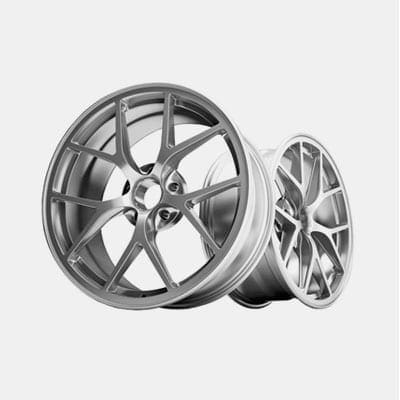
- Cleaning and polishing automotive parts.
- Descaling forged items.
- Surface preparation for coatings.
From medical implants to engine casings, automation ensures consistent quality at scale.
Why Choose ActOn Finishing?
- UK-based expertise with global reach.
- Custom-built automation tailored to your workflow.
- Free finishing trials to prove results before purchase.
- Trusted by manufacturers across aerospace, automotive, and medical sectors.
FAQs
What are automated finishing solutions?
Automated finishing solutions integrate surface finishing machines with different accessories like separation systems, media and compound feeders, recycling systems and more. They reduce manual input, improve consistency, and increase throughput.
Which industries benefit from automated finishing?
Aerospace, automotive, medical, and general engineering sectors all benefit. Automation ensures reliable results for deburring, descaling, polishing, and surface preparation at scale.
Can automated finishing reduce costs?
Yes. By lowering labour requirements, cutting handling errors, and recycling media and compounds, automated finishing reduces both direct and indirect operating costs.
What types of machines can be automated?
Vibratory finishing machines, centrifugal high energy machines, and disc finishing systems can all be automated with loading, separation, dosing, and recirculation units.
How do ActOn’s automated systems improve sustainability?
Systems include water and compound dosing, media recirculation, and wastewater treatment options, reducing water and chemical usage while meeting H&S and environmental standards. Also in some cases the fact that you can run the machines for shorter times (due to machine efficiency) – you thus use less energy.
Explore how automation can transform your finishing process
Call: +44 (0) 24 7646 6914
Email: sales@acton-finishing.co.uk