




Introduction: ActOn Finishing’s Expertise in Automation
At ActOn Finishing, we design and build automated finishing systems that transform how manufacturers handle surface finishing. By integrating mass finishing automation into your production, we help reduce manual handling, speed up throughput, and deliver consistent, high-quality results. For factory directors and lean consultants, an automated finishing line is not just a technology upgrade, it’s a strategic improvement to efficiency and profitability.
What Is an Automated Finishing Line?
An automated finishing line combines finishing machinery with automation technology to process parts with minimal manual intervention. This can include:
- Material handling systems to move parts between stages.
- Robotic surface treatment for precision consistency.
- Media recirculation systems for reduced downtime and operating costs.
The result is a streamlined process that reduces variability and frees up skilled labour for higher-value tasks.

Key Benefits for Manufacturing Operations
1. Increased Productivity
Automation allows continuous operation, reducing bottlenecks and ensuring faster turnaround times. Components can move from one stage to the next without waiting for manual transfers.
2. Consistent Quality
By eliminating human variation in handling and processing, an automated finishing line produces repeatable results, meeting strict quality standards every time.
3. Reduced Labour Costs
Less manual handling means fewer operators are needed for the same output, freeing up staff for other critical roles.
4. Improved Health and Safety
Automation reduces the physical demands on operators and limits exposure to chemicals, noise, and repetitive strain.
Processes That Can Be Automated
At ActOn, we can automate:
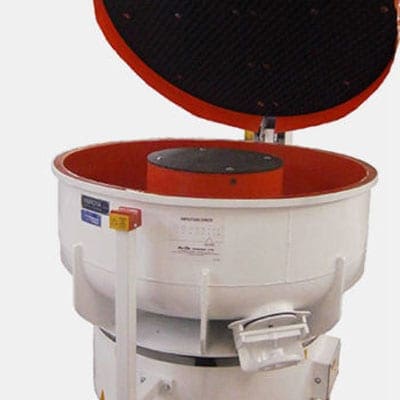
- Vibratory finishing systems.
- Centrifugal high energy systems.
- Centrifugal disc finishing systems.
- Shot blasting cabinets
- Ultrasonic cleaning systems.
These systems can be customised to match your workflow, space, and throughput needs.

Applications Across Industries
Automated finishing lines are used in:
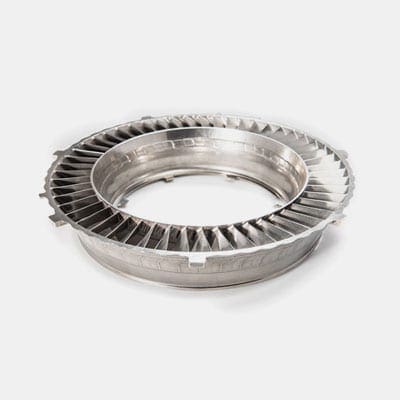
- Aerospace: precision deburring and polishing for flight-critical components.
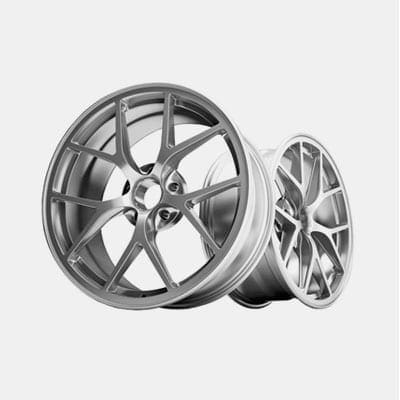
- Automotive: high-volume finishing of engine, suspension, and wheel components.
- Medical: hygienic, repeatable processing of surgical and implant parts.
- General engineering: deburring, descaling, cleaning, and brightening.
Why Lean Consultants Recommend Automation
Lean manufacturing principles prioritise the elimination of waste and process inefficiencies. An automated finishing line:
- Reduces waiting and transport time between finishing stages.
- Standardises processes to eliminate quality variation.
- Optimises equipment usage, reducing idle time.
FAQs
Is an automated finishing line suitable for small batches?
Yes. Systems can be configured for both small-scale precision parts and large-volume runs.
Can I integrate automation into my existing equipment?
In many cases, yes. Our engineering team can retrofit automation to compatible systems.
Does automation require complex training?
Our systems are operator-friendly, and we provide full training for your team.
What is the ROI on mass finishing automation?
ROI varies, but many businesses see payback within 12-24 months due to labour savings and increased throughput.
Conclusion: A Smarter Way to Finish Parts
An automated finishing line delivers measurable gains in productivity, quality, and safety. By combining mass finishing automation with robotic surface treatment, ActOn Finishing provides tailored solutions that fit your production goals and improve your competitive edge.
Call: +44 (0) 24 7646 6914
Email: sales@acton-finishing.co.uk