





Alloy Wheel Refinishing: Choosing the Right Sand Blast Cabinet
Alloy wheel refinishing begins long before powder coating or painting. The quality of the final finish depends on how effectively the existing coating, corrosion and surface contamination are removed.
Using the correct sand blast cabinet for wheels ensures every wheel receives a clean, consistent surface ready for refurbishment. Compared with manual sanding or chemical stripping, alloy wheel blasting delivers faster processing, greater consistency and a surface profile that promotes excellent coating adhesion.
For wheel refurbishment businesses processing multiple wheels every day, investing in dedicated blasting equipment can significantly improve productivity and finish quality.
Why Surface Preparation Matters
Before a wheel can be powder coated, painted or diamond cut, the existing surface must be properly prepared.
Old paint, corrosion, oxidation and road contamination all affect how well a new coating bonds to the wheel.
Poor preparation can result in:
- Poor coating adhesion.
- Premature paint failure.
- Surface imperfections.
- Inconsistent finish quality.
- Increased rework.
A dedicated alloy wheel blasting cabinet removes these contaminants quickly while creating a uniform surface across the entire wheel.
What Is a Sand Blast Cabinet for Wheels?
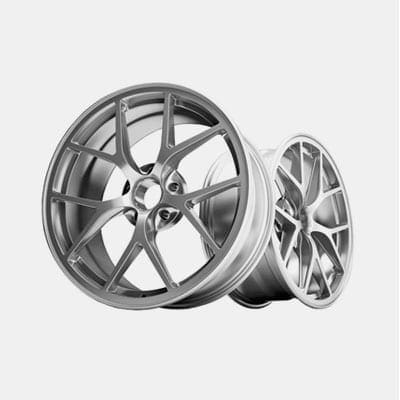
A sand blast cabinet for wheels is a purpose-built blasting system designed specifically for alloy wheel refurbishment.
Unlike general-purpose blasting cabinets, these machines are engineered to process wheels efficiently while providing even coverage across complex spoke designs, recessed areas and wheel rims.
The result is consistent surface preparation with minimal operator effort.
How Alloy Wheel Blasting Works
The blasting process is straightforward but highly effective.
1. The Wheel Is Loaded
The wheel is securely positioned inside the cabinet, allowing safe access to all visible surfaces.
2. Abrasive Media Removes Existing Coatings
The operator directs abrasive media onto the wheel surface to remove:
- Paint
- Powder coating.
- Corrosion.
- Oxidation.
- Brake dust deposits.
- Surface contamination.
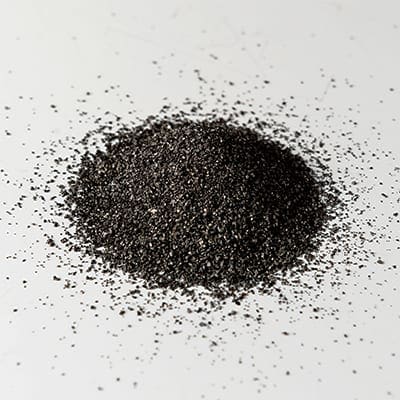
The correct blasting media is selected according to the wheel material and required finish.
3. A Uniform Surface Profile Is Created
As the coating is removed, the blasting process produces a consistent surface profile.
This improves:
- Powder coating adhesion.
- Paint adhesion.
- Finish consistency.
- Long-term coating durability.
4. The Wheel Is Ready for the Next Stage
After blasting, wheels are ready for:
- Powder coating.
- Painting.
- Priming.
- Diamond cutting (where applicable).
- Final refurbishment processes.
Why Use a Dedicated Wheel Blasting Cabinet?
Many refurbishment businesses begin with standard blasting cabinets.
However, purpose-built alloy wheel blasting cabinets offer significant advantages.
1. Faster Processing
Purpose-designed cabinets allow wheels to be processed more efficiently, increasing daily throughput.
2. Consistent Finish Quality
Uniform blasting produces consistent results across every wheel, reducing rework and improving customer satisfaction.
3. Better Access to Complex Designs
Modern alloy wheels feature intricate spoke patterns and recessed areas.
Dedicated alloy wheel blasting equipment makes it easier to clean difficult-to-reach surfaces without compromising finish quality.
4. Improved Productivity
Efficient cabinet design reduces operator fatigue while supporting higher production volumes.
Applications
Alloy Wheel blasting cabinets are commonly used for:
- Alloy wheel refurbishment.
- Wheel repair centres.
- Powder coating companies.
- Vehicle restoration.
- Motorsport preparation.
- Commercial vehicle wheel refurbishment.
Whether processing individual customer wheels or large refurbishment batches, dedicated equipment helps maintain consistent quality.
Choosing the Right Alloy Wheel Blasting Machine
Every refurbishment business has different production requirements.
Important considerations include:
- Daily surface finishing.
- Wheel diameters.
- Wheel widths.
- Required finish quality.
- Available workshop space.
- Abrasive recovery requirements.
Choosing equipment designed specifically for alloy wheels helps maximise efficiency while maintaining consistent blasting performance.
Why Choose the ActOn WSB Alloy Wheel Sand Blaster?
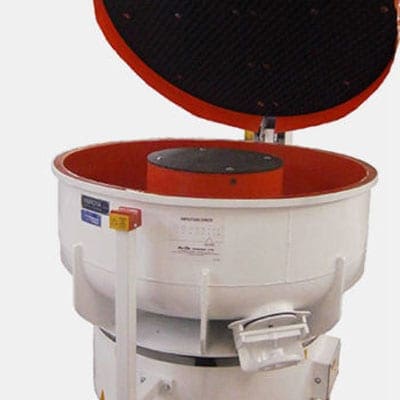
The ActOn WSB Alloy Wheel Sand Blaster has been developed specifically for professional alloy wheel refinishing operations.
The system is designed to help refurbishment businesses achieve consistent surface preparation while improving productivity and reducing manual handling.
Benefits include:
- Purpose-built for alloy wheels.
- Consistent surface preparation.
- Fast processing times.
- Professional finish quality.
- Reliable industrial construction.
- UK engineering and support.
- Free process trials available.
Rather than adapting a standard blasting cabinet, the WSB is engineered specifically for the demands of wheel refurbishment.
Common Mistakes in Alloy Wheel Preparation
Even experienced operators can experience inconsistent results if the process is not properly controlled.
Common issues include:
- Using the wrong blasting media.
- Excessive blasting pressure.
- Uneven blasting coverage.
- Poor maintenance of abrasive media.
- Inadequate dust extraction.
Following the correct blasting process helps produce consistent finishes while extending equipment and media life.
Why Choose ActOn?
ActOn Finishing supplies complete wheel refurbishment solutions, including:
- WSB Alloy Wheel Sand Blaster.
- AWP Wheel Polishing Machines.
- Process advice.
- Abrasive media selection.
- Installation and commissioning.
- Operator training.
- Ongoing technical support.
- Spare parts and servicing.
Our engineers work with refurbishment businesses to develop efficient blasting processes that improve productivity and deliver consistent results.
FAQs
1. What is a sand blast cabinet for wheels used for?
A sand blast cabinet for wheels removes paint, corrosion and surface contamination from alloy wheels, preparing them for powder coating, painting or refurbishment.
2. Why use a dedicated alloy wheel sand blasting machine?
Purpose-built alloy wheel blasting machines provide more consistent coverage, faster processing and improved access to complex wheel designs than general-purpose blasting cabinets.
3. What abrasive media is used for alloy wheel blasting?
The most suitable abrasive depends on the wheel material and the existing coating. ActOn can recommend the correct media for your refurbishment process.
4. Can blasting damage alloy wheels?
When the correct media, pressure and process settings are used, blasting safely removes coatings while preparing the wheel surface for refinishing.
5. How do I choose the right alloy wheel blasting cabinet?
The ideal machine depends on wheel sizes, production volumes, available space and your refurbishment process. ActOn can help specify the most suitable solution.
Request a Free Wheel Blasting Demonstration
If you’re looking to improve alloy wheel refurbishment or increase production capacity,
Speak to ActOn about the WSB Alloy Wheel Sand Blaster.
Call: +44 (0) 24 7646 6914
Email: sales@acton-finishing.co.uk